Home » Crawler water well drilling rig » Comparison of Track-Mounted vs. Two-Wheeled Water Well Drilling Rigs
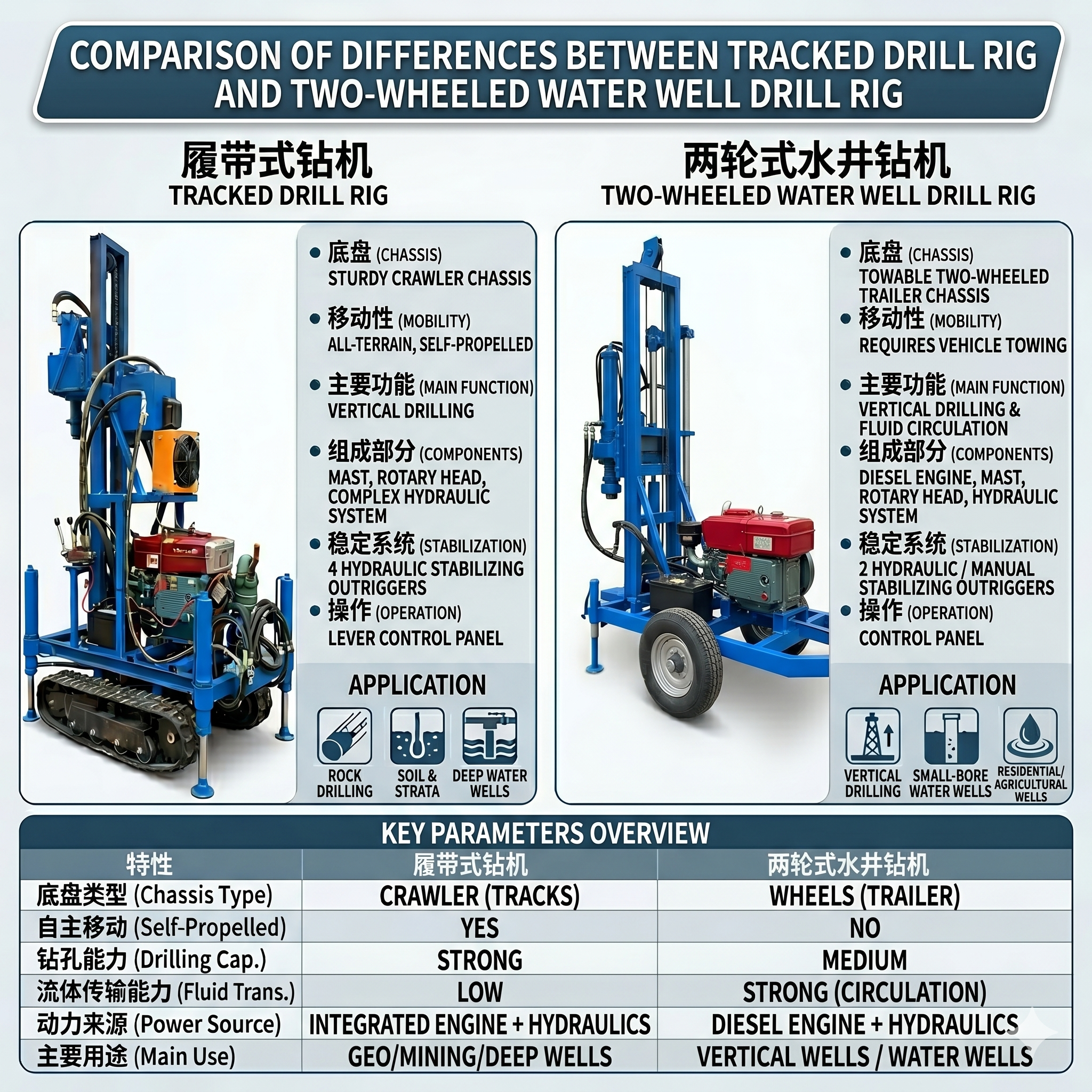
Comparison of Track-Mounted vs. Two-Wheeled Water Well Drilling Rigs
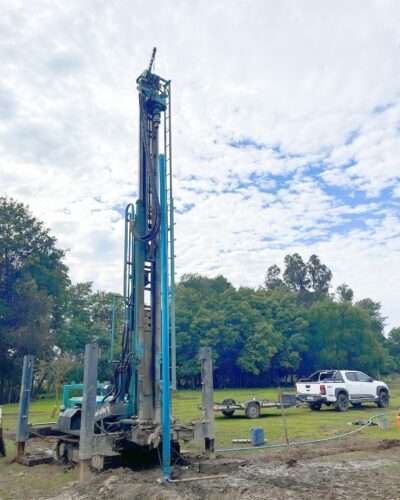
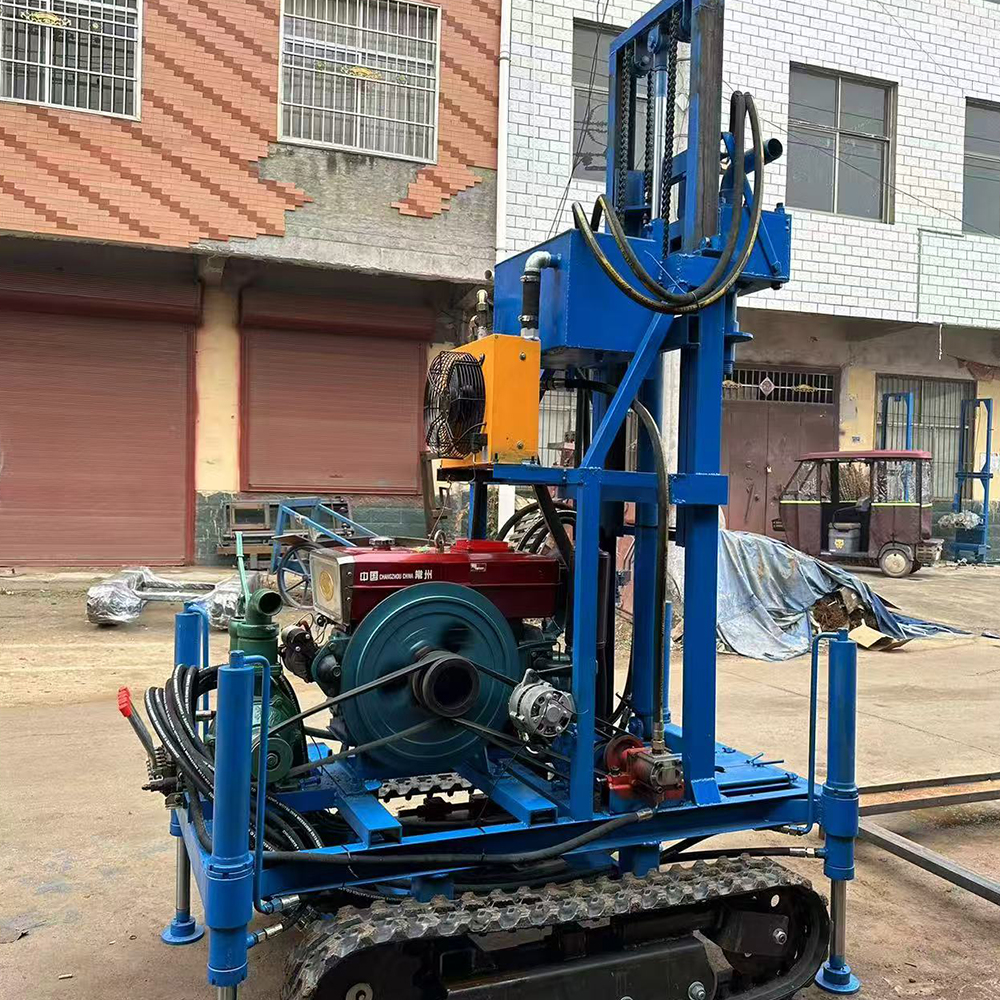
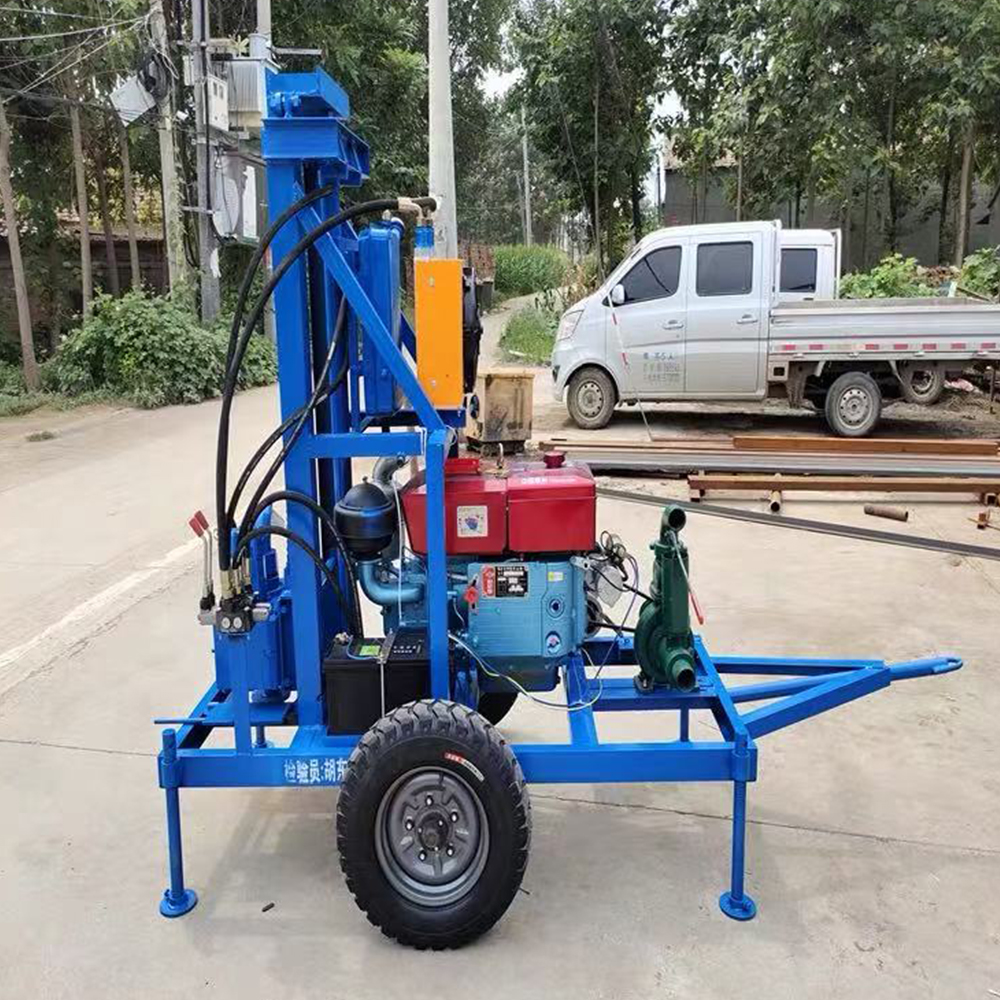
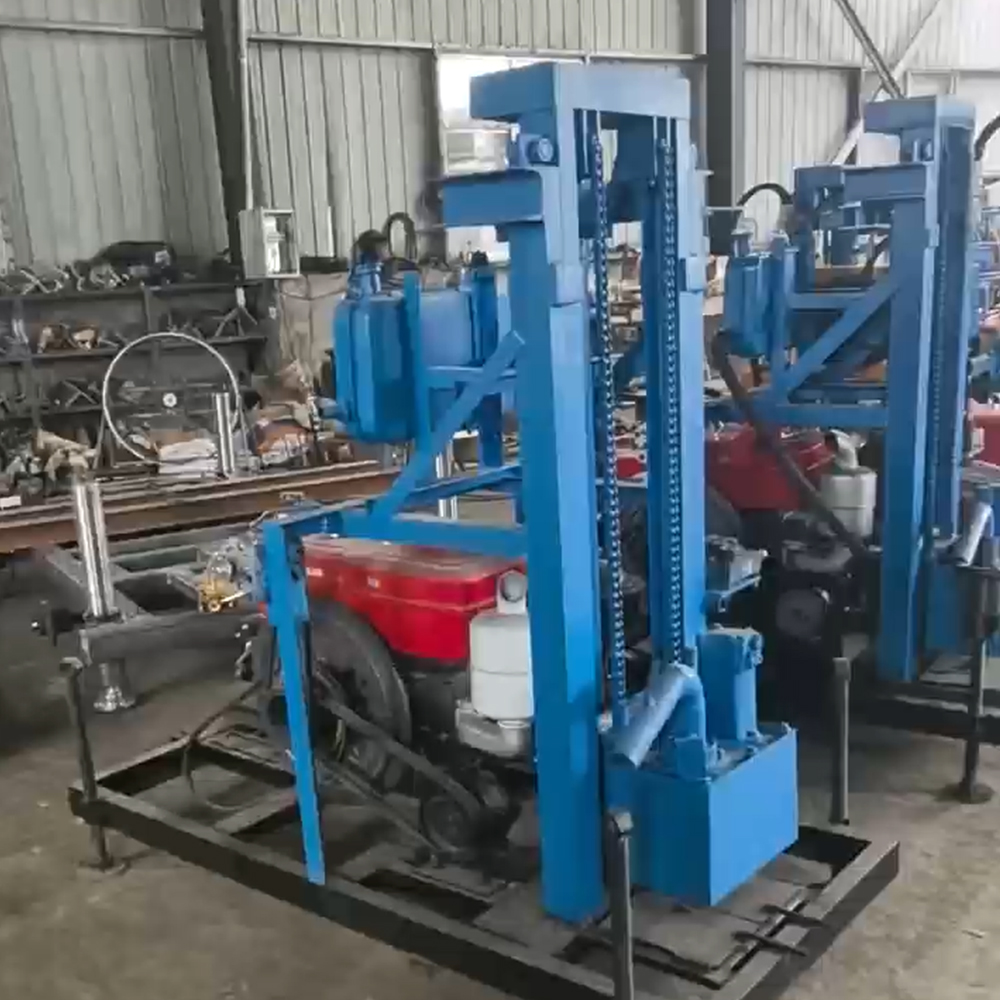
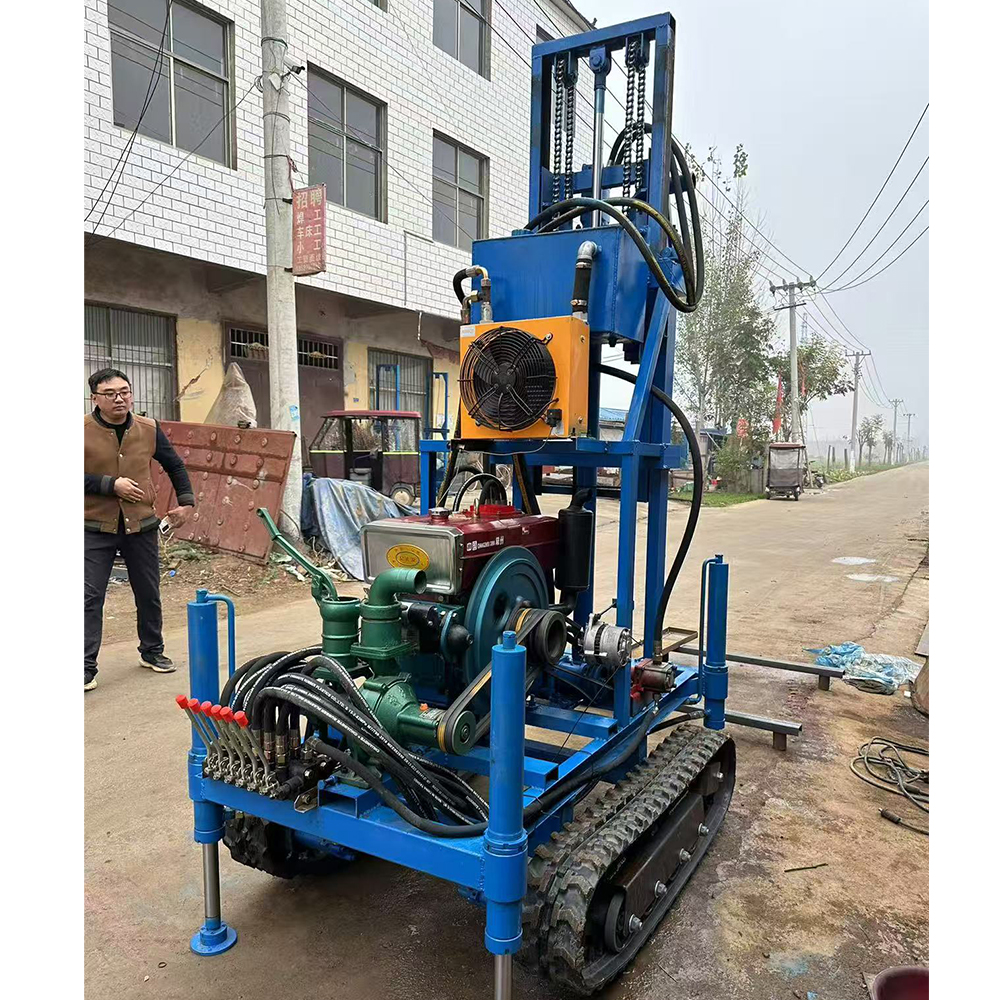
The fundamental differences between crawler-mounted water well drilling rigs and two-wheeled rigs lie in their chassis design, terrain adaptability, stability, drilling capacity, and site-transfer efficiency. The former is primarily designed for complex terrain and deep-hole drilling, while the latter is better suited for shallow-hole drilling and rapid mobility across flat terrain.
Contact US
Get Price
Share:
Content
I. Chassis and Mobility
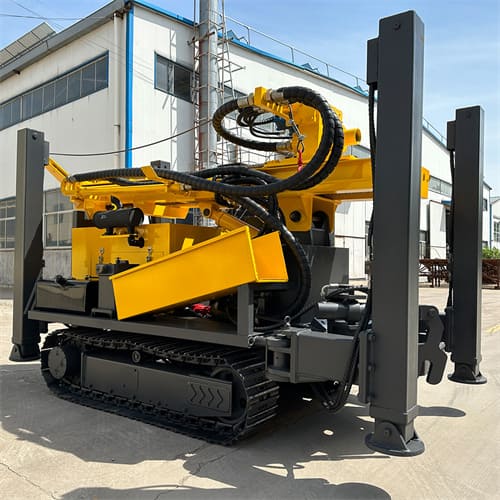
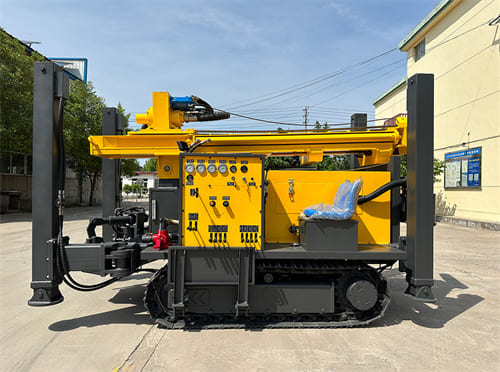
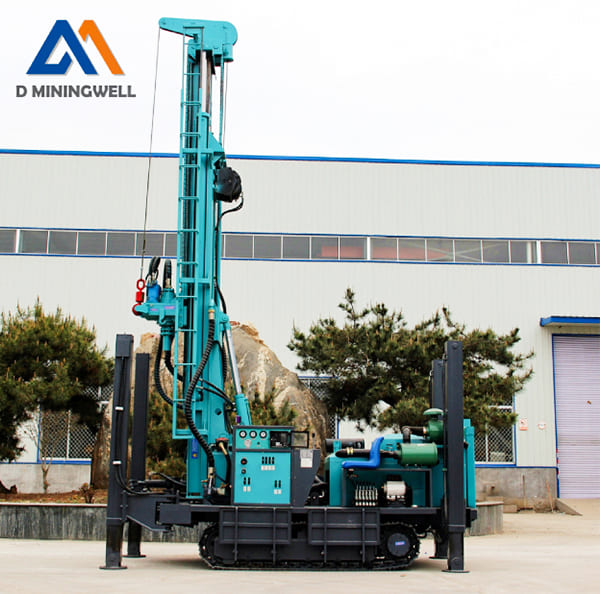
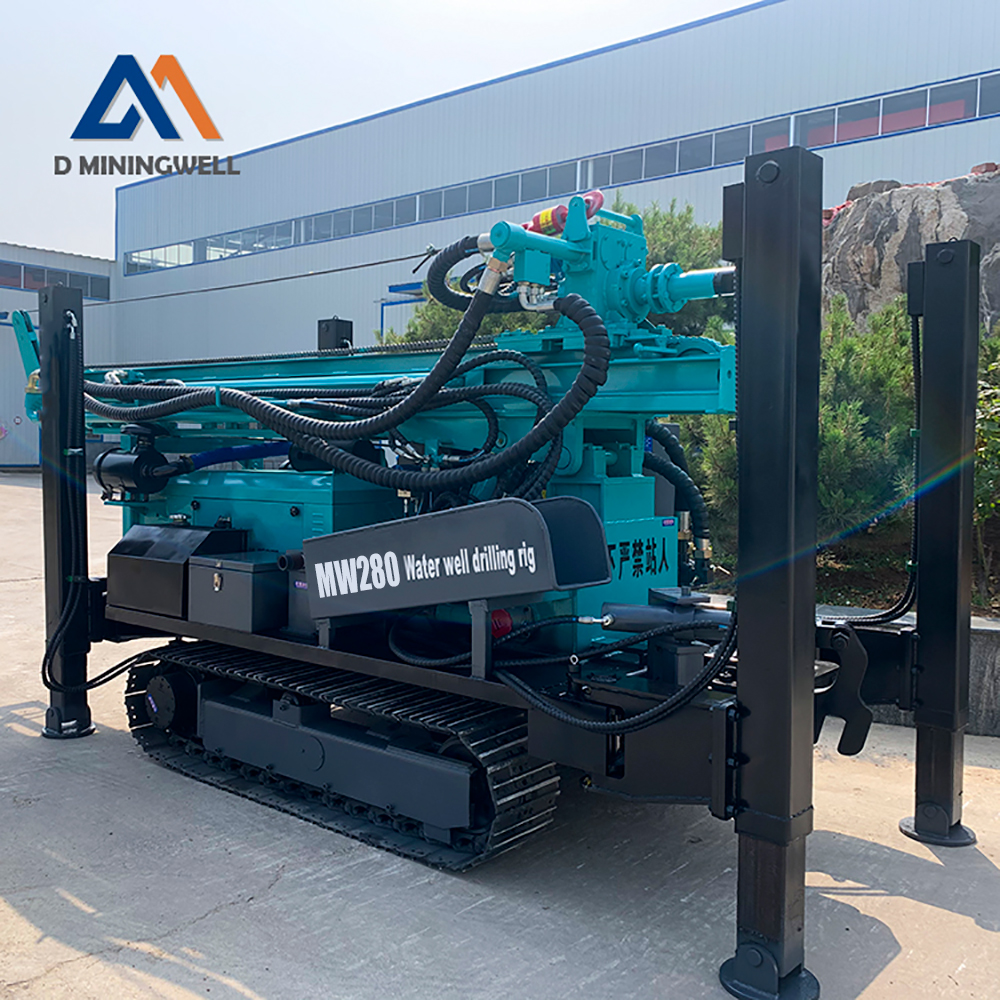
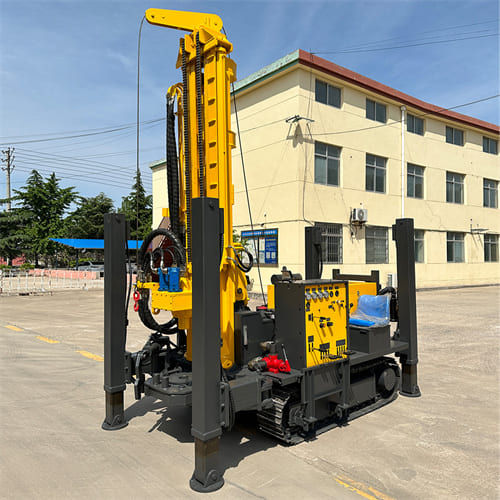
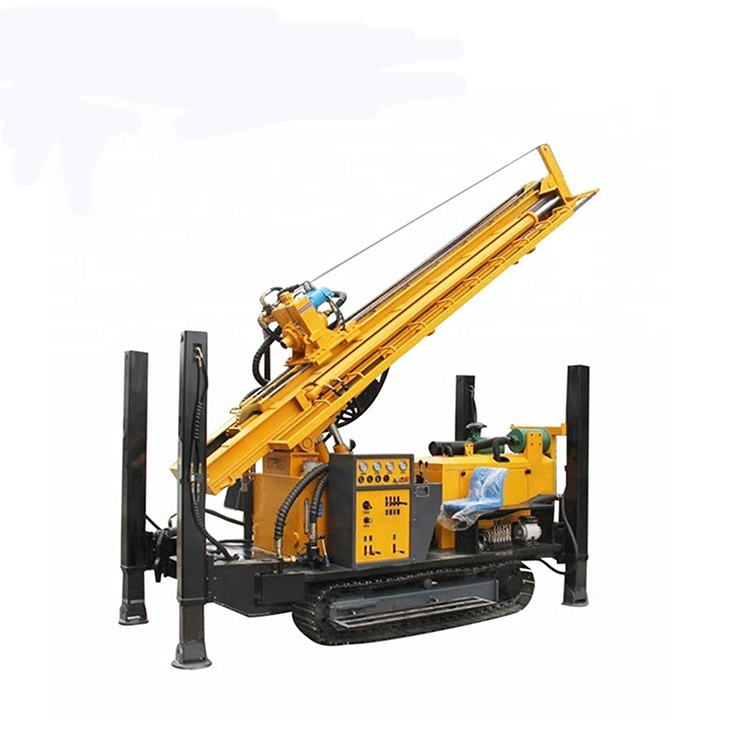
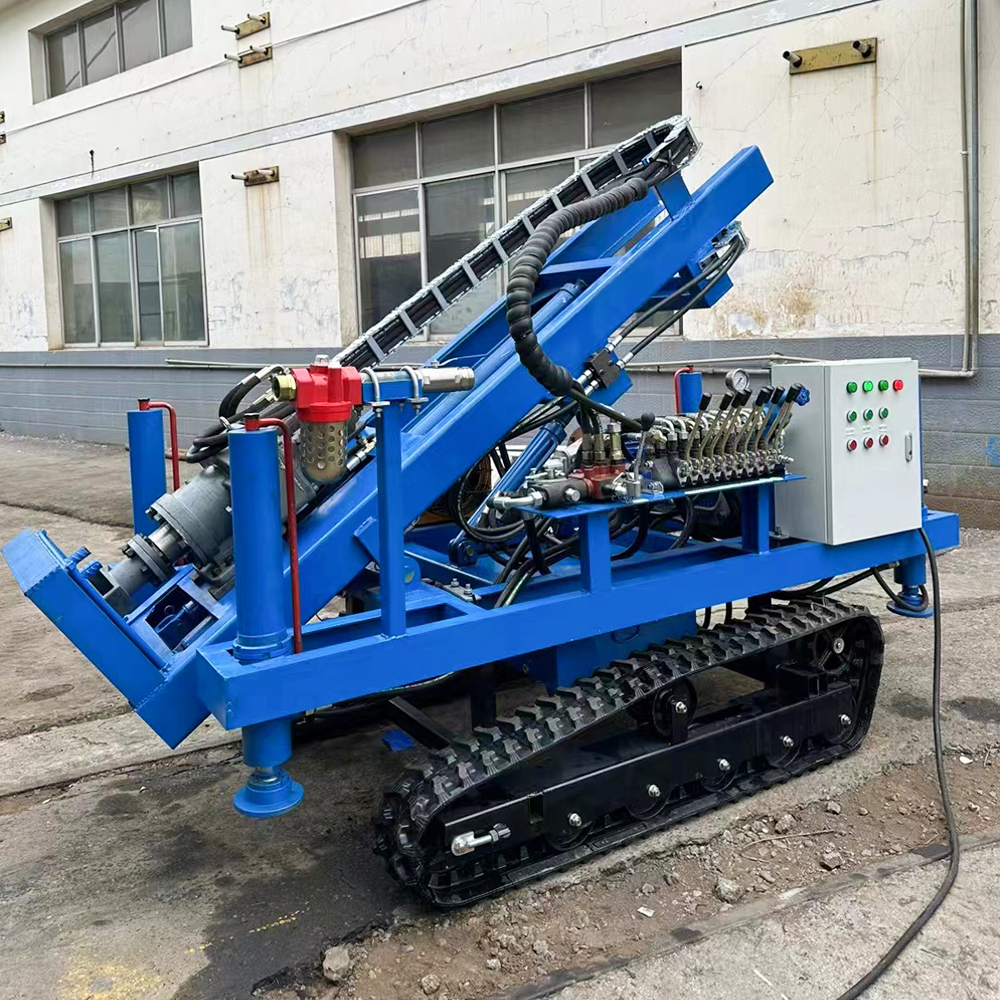
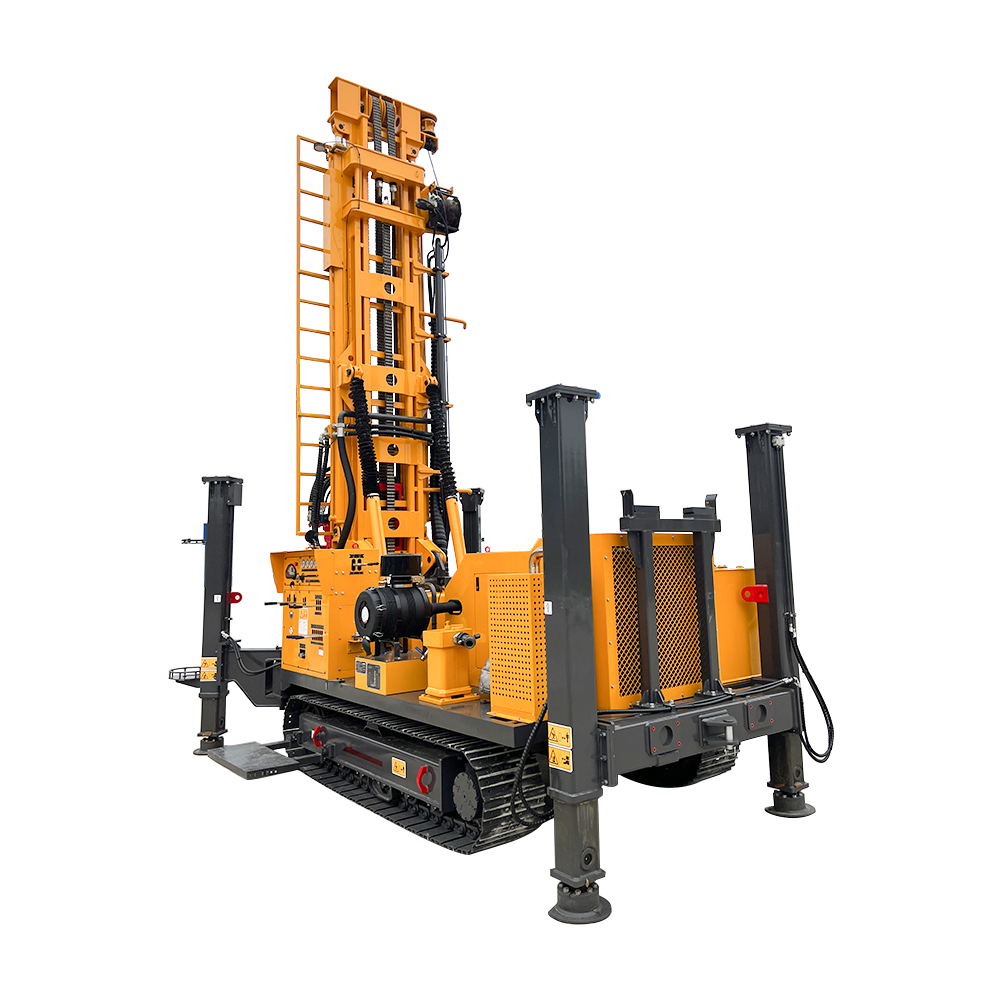
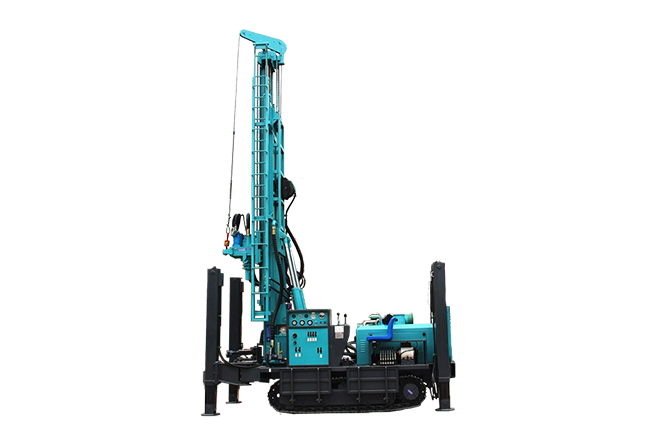
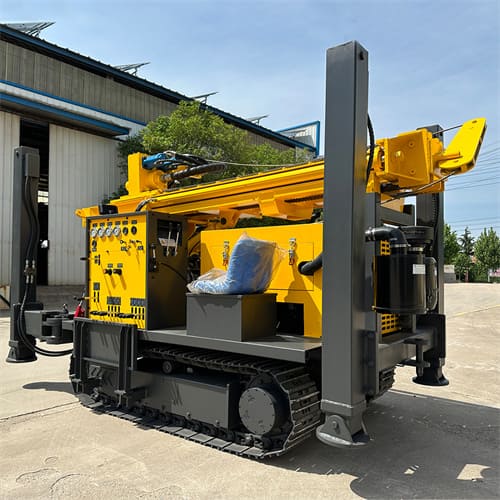
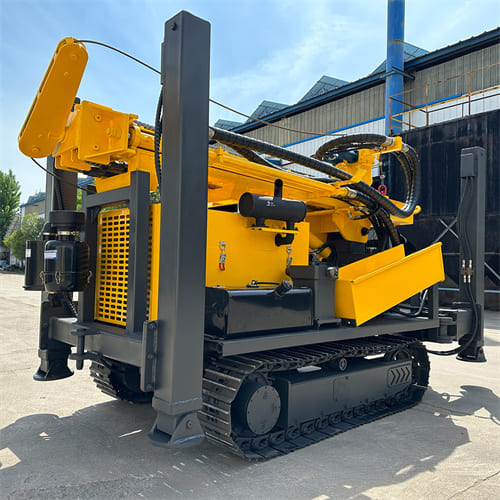
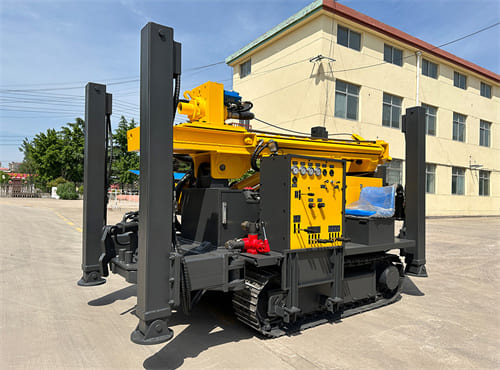
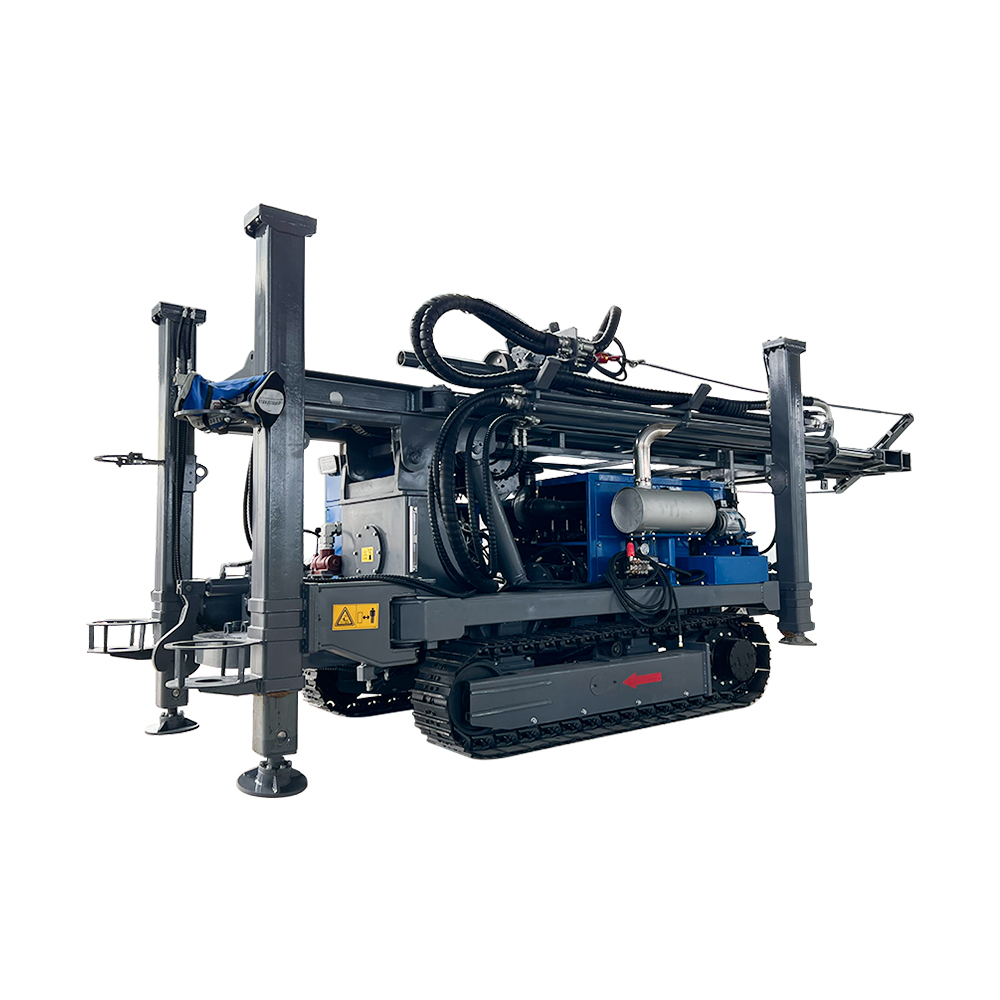
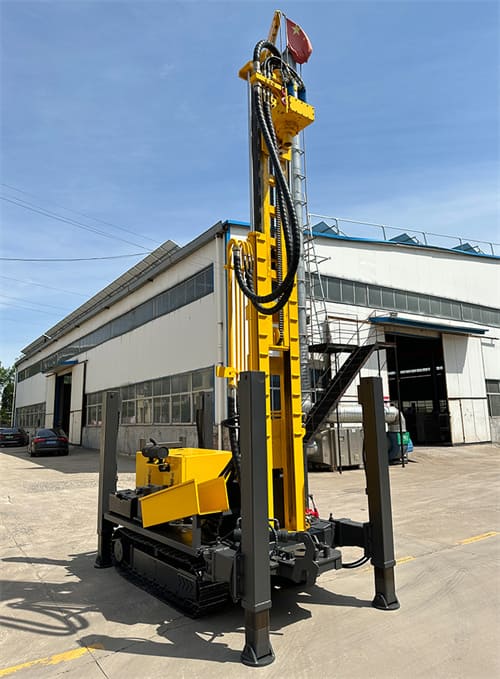
Crawler-mounted: Features steel or rubber tracks with a large ground contact area; offers strong off-road capabilities, can climb gradients exceeding 30°, and avoids getting stuck in muddy or mountainous terrain; however, self-propulsion speed is slow, requiring a trailer for long-distance transport.
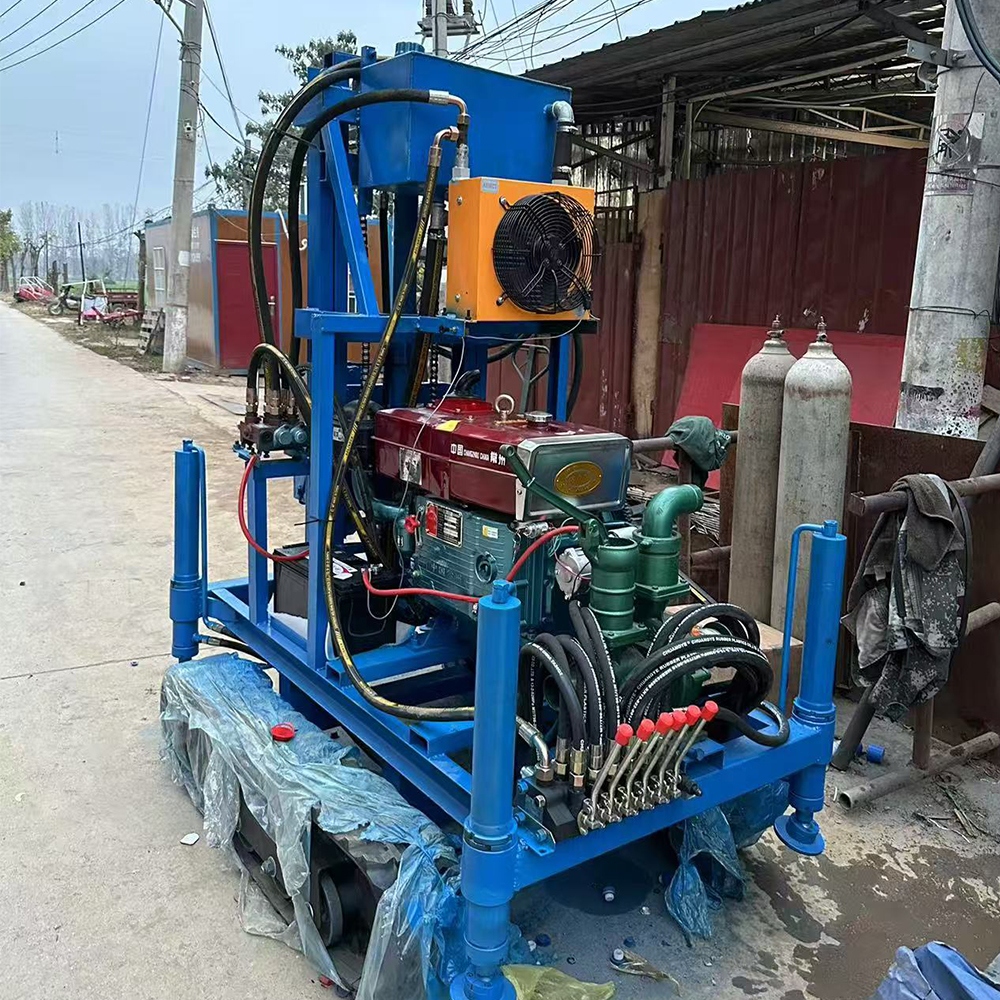
Two-wheeled: A trailer-style, two-wheeled design that is lightweight (approx. 600–800 kg); requires towing by a tractor or vehicle, making it suitable for flatlands and rural roads; allows for rapid site transfers on paved or hard-surface roads but is prone to getting stuck on poor-quality roads.
II. Stability and Operational Capability
Crawler-mounted: Features a low center of gravity combined with hydraulic outriggers, ensuring exceptional stability, minimal vibration, and high precision for deep-hole drilling (100–500 m); highly adaptable to hard rock and complex geological formations.
Two-wheeled: Features a higher center of gravity and simpler outriggers, making it primarily suitable for shallow-hole drilling (30–100 m); adequate for drilling through soil layers and soft rock, but prone to instability and reduced efficiency when drilling deep holes or hard rock.
III. Drilling Parameters
Crawler-mounted: Supports hole diameters ranging from 150 to 500 mm and depths from 200 to 1000 m; features high power output (primarily via diesel engines) and supports both air DTH hammer and mud rotary drilling methods, ensuring high operational efficiency.
Two-wheeled: Supports hole diameters ranging from 90 to 250 mm and depths from 30 to 100 m; features lower power output (typically via electric motors or small diesel engines) and primarily utilizes mud rotary or auger drilling methods, making it suitable for shallow-well applications in residential or civil settings.
IV. Applicable Scenarios
Crawler-type: Mountainous regions, hilly terrain, muddy farmland, construction site dewatering wells, deep water wells / rock wells.
Two-wheeled type: Rural domestic wells, irrigation wells, shallow wells in soft soil, confined spaces / frequent site relocation.
V. Maintenance and Costs
Crawler-type: Complex structure; significant wear on tracks and drive components; high maintenance costs; high fuel consumption; high initial purchase price.
Two-wheeled type: Simple structure; low maintenance costs; low fuel consumption; low initial purchase price; fewer wear-prone parts.
VI. Quick Selection Guide
✅ Mountainous / Muddy / Deep Holes / Hard Rock → Crawler-type
✅ Plains / Rural Areas / Shallow Holes / Low Budget → Two-wheeled type
Inquiry
More Crawler water well drilling rig