What Is a Full Hydraulic Core Drilling Rig?
Sep 21, 2026
Unlocking High-Efficiency Mineral Exploration: The Complete Guide to Full Hydraulic Core Drilling Rigs
Mineral exploration and geological survey projects demand precision, speed, and absolute reliability under tough site conditions. As target mineral deposits become deeper and formation geology grows more complex, traditional mechanical core drilling rigs struggle with limited torque control, slower pulling speeds, and higher physical labor demands.
Transitioning to a full hydraulic core drilling rig represents a major shift in drilling performance, offering seamless speed regulation, high top-drive torque, and superior core recovery rates.
What Is a Full Hydraulic Core Drilling Rig?
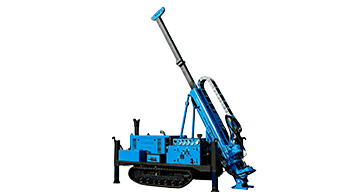
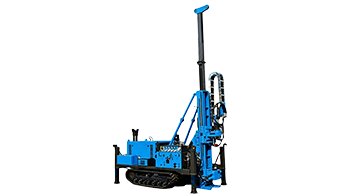
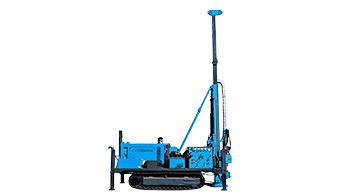
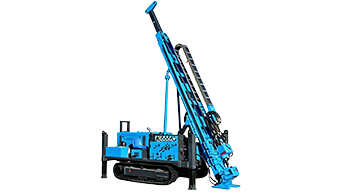
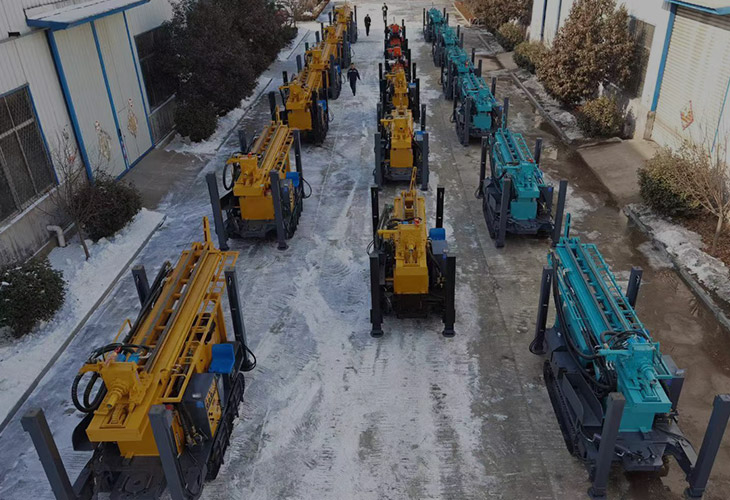
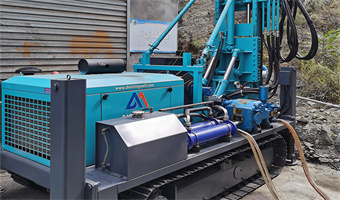
A full hydraulic core drilling rig utilizes a central hydraulic pump station to power all primary functions—including rotation, feeding, hoisting, wireline winching, and outrigger leveling. Unlike conventional mechanical rigs that rely on complex gearboxes, clutches, and drive shafts, hydraulic systems transfer power through high-pressure fluid lines directly to hydraulic motors and cylinders.
Key Working Principles:
-
Top-Drive Hydraulic Power Head: Replaces traditional rotary tables, allowing continuous drilling through variable rock formations with infinitely variable speed control.
-
Hydraulic Feed System: Provides precise bit pressure (weight-on-bit) management, ensuring consistent diamond bit penetration without causing premature bit wear or core jamming.
-
Wireline Coring Integration: Facilitates rapid core barrel retrieval via a high-speed hydraulic winch without pulling the entire drill rod string out of the hole.
Core Advantages of Full Hydraulic Core Drilling Rigs
| Feature / Metric | Mechanical Core Rigs | Full Hydraulic Core Rigs | Operational Impact |
| Speed Control | Stepped gear ratios | Infinitely variable | Smooth adaptation to changing rock hardness |
| Core Recovery Rate | Moderate | Very High (>95%) | Preserves original geological structures |
| Feeding & Pulling Speed | Slow / Manual assistance | Rapid hydraulic cylinder feed | Reduces non-drilling cycle time by up to 40% |
| Labor Intensity | High (Requires large crew) | Low (Integrated controls) | Enhances operator safety and lowers crew size |
1. Superior Core Recovery in Fractured Formations
In diamond core drilling, sample integrity is paramount for accurate assaying. Hydraulic feed systems maintain constant bit pressure even when drilling through soft seams, fault zones, or interbedded rock. This precision minimizes core grinding and guarantees high recovery rates.
2. High Mobility and Modular Setup
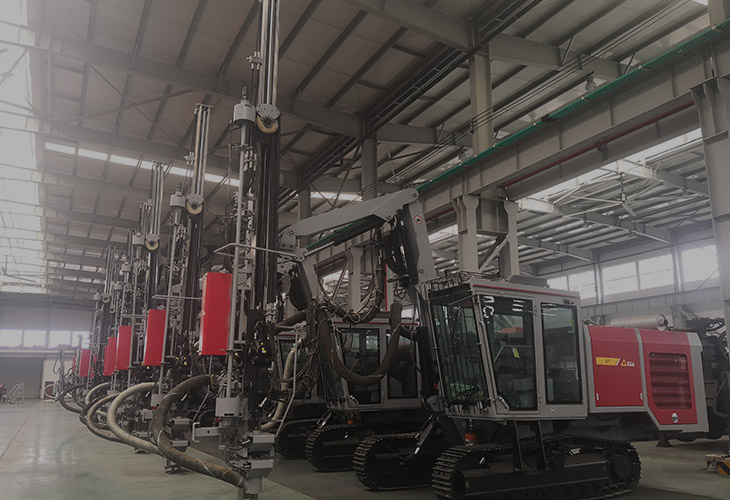
Modern full hydraulic rigs are designed with compact footprints, available in crawler-mounted, truck-mounted, or modular skid-mounted configurations. Modular designs can be disassembled quickly for transport into mountainous or roadless exploration sectors via light trucks or helicopters.
How to Select the Right Full Hydraulic Core Drilling Rig
When evaluating rigs for your geological projects, consider the following technical factors:
-
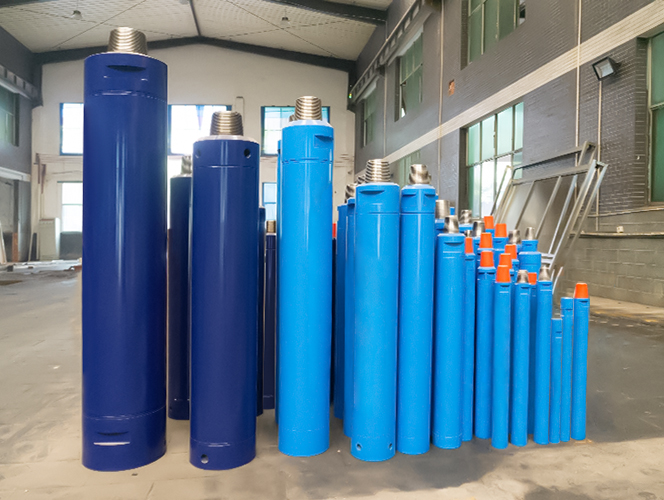
Maximum Drilling Depth & Hole Diameter: Match your target depth (e.g., 300m, 600m, 1000m+) with standard wireline drill rod sizes (BQ, NQ, HQ, PQ).
-
Torque vs. Spindle Speed: Ensure the hydraulic top drive supplies sufficient torque for larger hole sizes (PQ/HQ) while maintaining high RPM capabilities for small-diameter diamond coring (NQ/BQ).
-
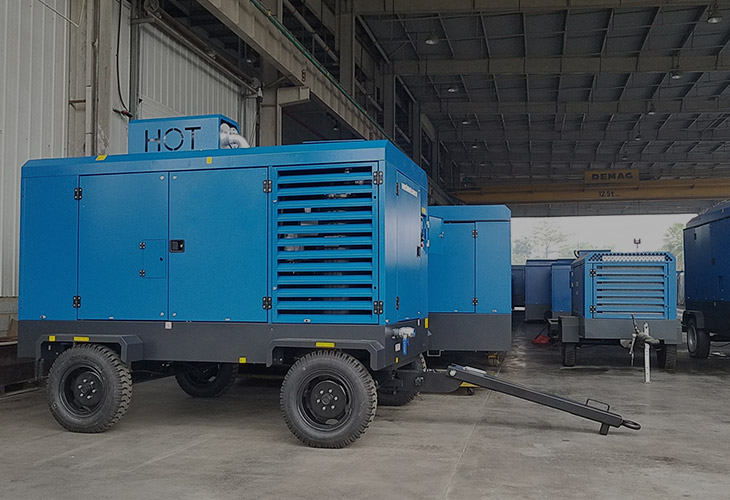
Engine Power & Altitude Adaptability: Opt for premium diesel power units rated for high-altitude or high-temperature operating environments.
-
Hydraulic Cooling Efficiency: Robust oil cooling systems prevent hydraulic fluid degradation during continuous 24/7 heavy-duty operations.
Essential Maintenance Best Practices for Peak Uptime
To maximize equipment lifespan and avoid costly downhole downtime:
-
Hydraulic Fluid Monitoring: Perform regular fluid cleanliness checks and replace filters at recommended intervals.
-
Hose & Seal Inspections: Inspect high-pressure hydraulic lines for abrasion, leaks, or fittings looseness before every shift.
-
Cooling System Cleanliness: Keep heat exchangers and radiators clear of dust, mud, and drilling debris to maintain optimal operating temperatures.
Conclusion
Investing in a high-performance full hydraulic core drilling rig directly enhances drilling efficiency, core sample quality, and project profitability. Whether conducting greenfield exploration or deep underground site investigations, modern hydraulic drilling systems provide the control and durability required for demanding mineral exploration projects.
Previous :
Next :