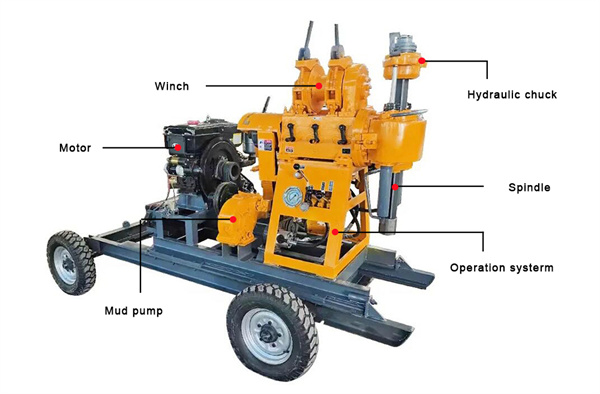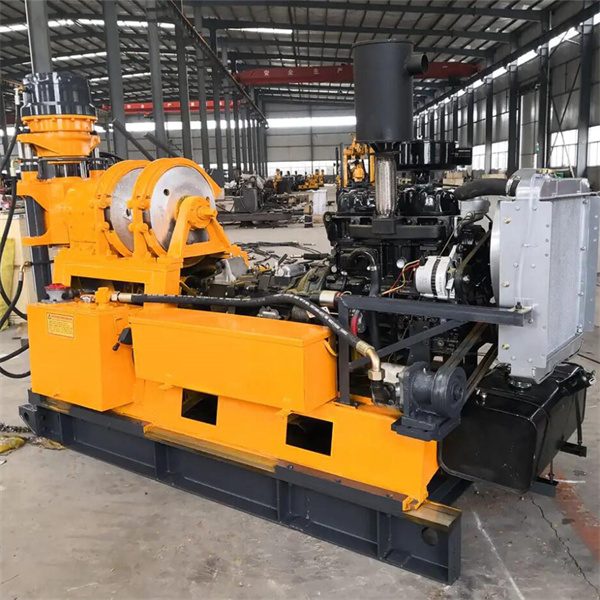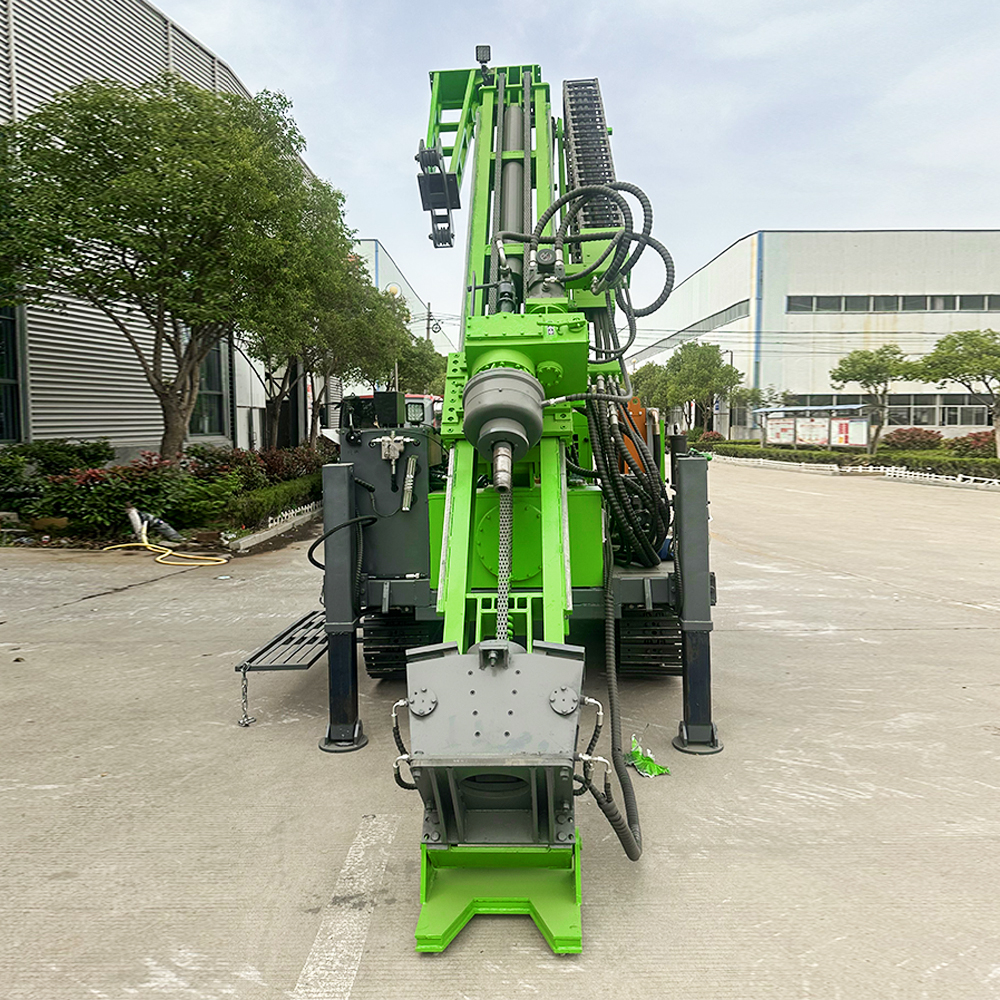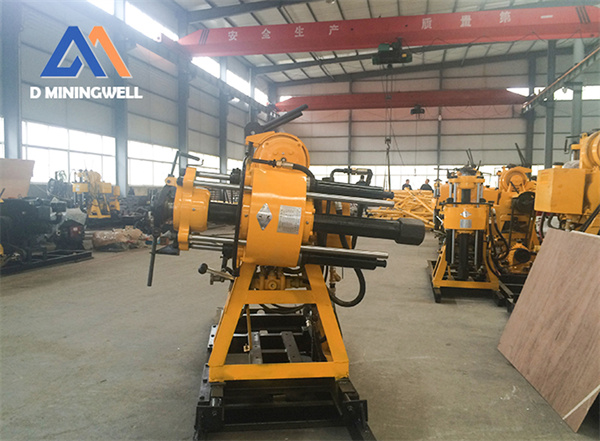
Working Steps of a Support-Type DTH Drill Rig
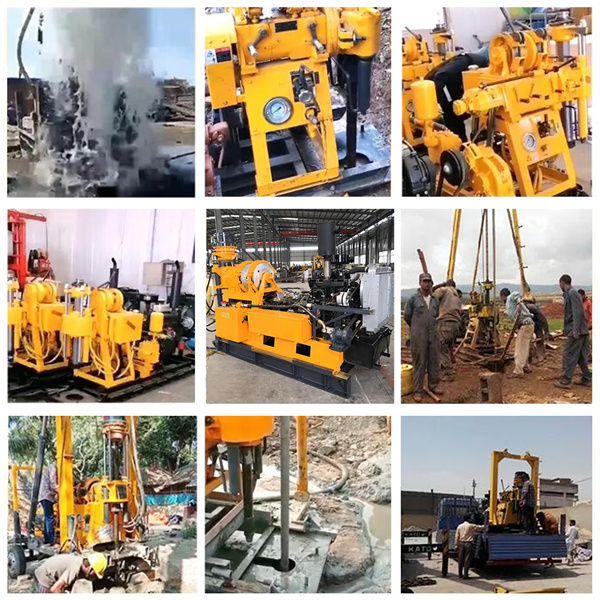
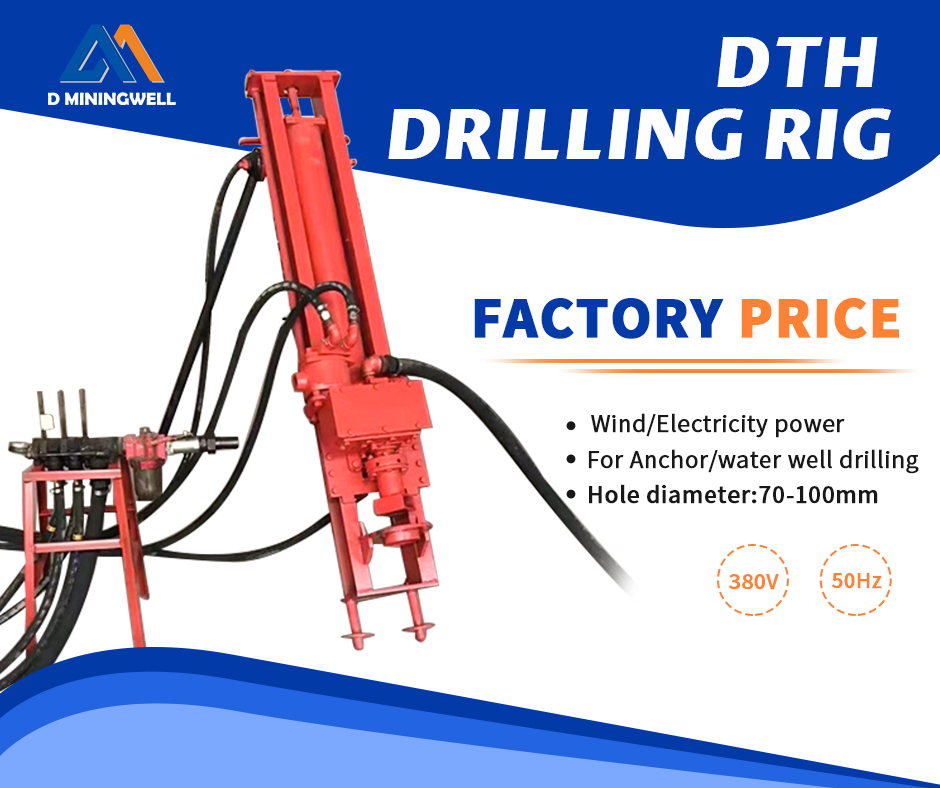
A support-type down-the-hole (DTH) drill rig integrates percussive impact, rotation, and air flushing to efficiently break and remove rock. The DTH hammer is positioned directly behind the drill bit, delivering high-frequency impact energy straight to the rock face. Below are its typical working steps
Contact US
Get Price
Share:
Previous:
Granite Drilling 4-5 Meters per Hour! 1-Meter Diameter Project at Shenzhen Metro | Mine Machinery
Next:
Content
A support-type down-the-hole (DTH) drill rig integrates percussive impact, rotation, and air flushing to efficiently break and remove rock. The DTH hammer is positioned directly behind the drill bit, delivering high-frequency impact energy straight to the rock face. Below are its typical working steps:
1. Rig Setup & Positioning
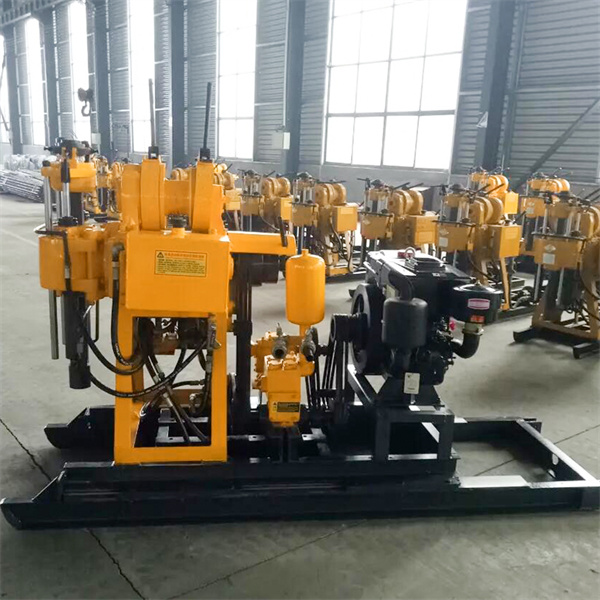
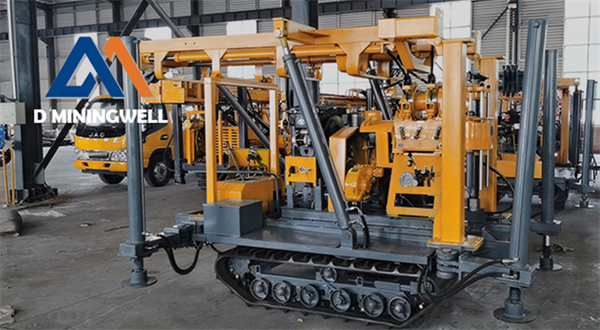
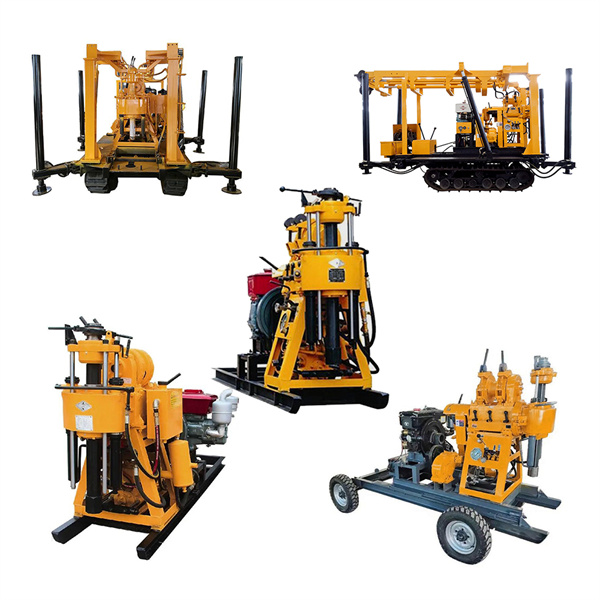
- Position the support-type drill rig on stable ground, with its support structure (outriggers/anchors) deployed for stability.
- Align the drill mast vertically or at the designed drilling angle.
- Connect the air compressor, drill pipe, DTH hammer, and drill bit, then check air pressure and mechanical functions.
2. Start Air Supply & Pre-Flushing
- Turn on the compressed air system. Air flows through the drill string to the DTH hammer and bit.
- Pre-flush the borehole to clear surface debris and ensure unobstructed air circulation.
3. Percussive Action of the DTH Hammer
- Compressed air drives a reciprocating piston inside the DTH hammer.
- The piston strikes the drill bit directly at high frequency, generating strong impact force to crush hard rock.
4. Rotary Drilling
- The drill head rotates the entire drill string (drill pipe + hammer + bit).
- Rotation distributes impact evenly across the bit, ensuring a round, straight borehole and continuous rock breaking.
5. Feed Pressure Application
- The feed system applies stable downward pressure to the drill string, keeping the bit in full contact with the rock.
- Feed speed is adjusted based on rock hardness to avoid jamming or excessive wear.
6. Cuttings Flushing & Removal
- High-pressure compressed air exits through nozzles in the drill bit.
- Air lifts rock cuttings upward along the annular space between the drill pipe and borehole wall, discharging them to the surface.
7. Drill Pipe Connection (When Drilling Deep)
- As drilling depth increases, additional drill pipes are added between the drill head and hammer to extend the drill string.
- Air supply and rotation resume to continue drilling.
8. Hole Finishing & Withdrawing
- Once the target depth is reached, stop percussion and rotation.
- Lift the drill string while maintaining air flushing to clear remaining cuttings.
- Disassemble drill pipes one by one and remove the bit and hammer.
9. Post-Drilling Inspection
- Inspect borehole quality, clean the rig, and perform maintenance on the hammer, bit, and air system.
Inquiry
More Core Drilling Rig