Home » Drilling Machine » Truck mounted water well drilling rig » DMiningwell 400m Truck-Mounted Water Well Drilling Rig: Features & Applications for 2025
DMiningwell 400m Truck-Mounted Water Well Drilling Rig: Features & Applications for 2025
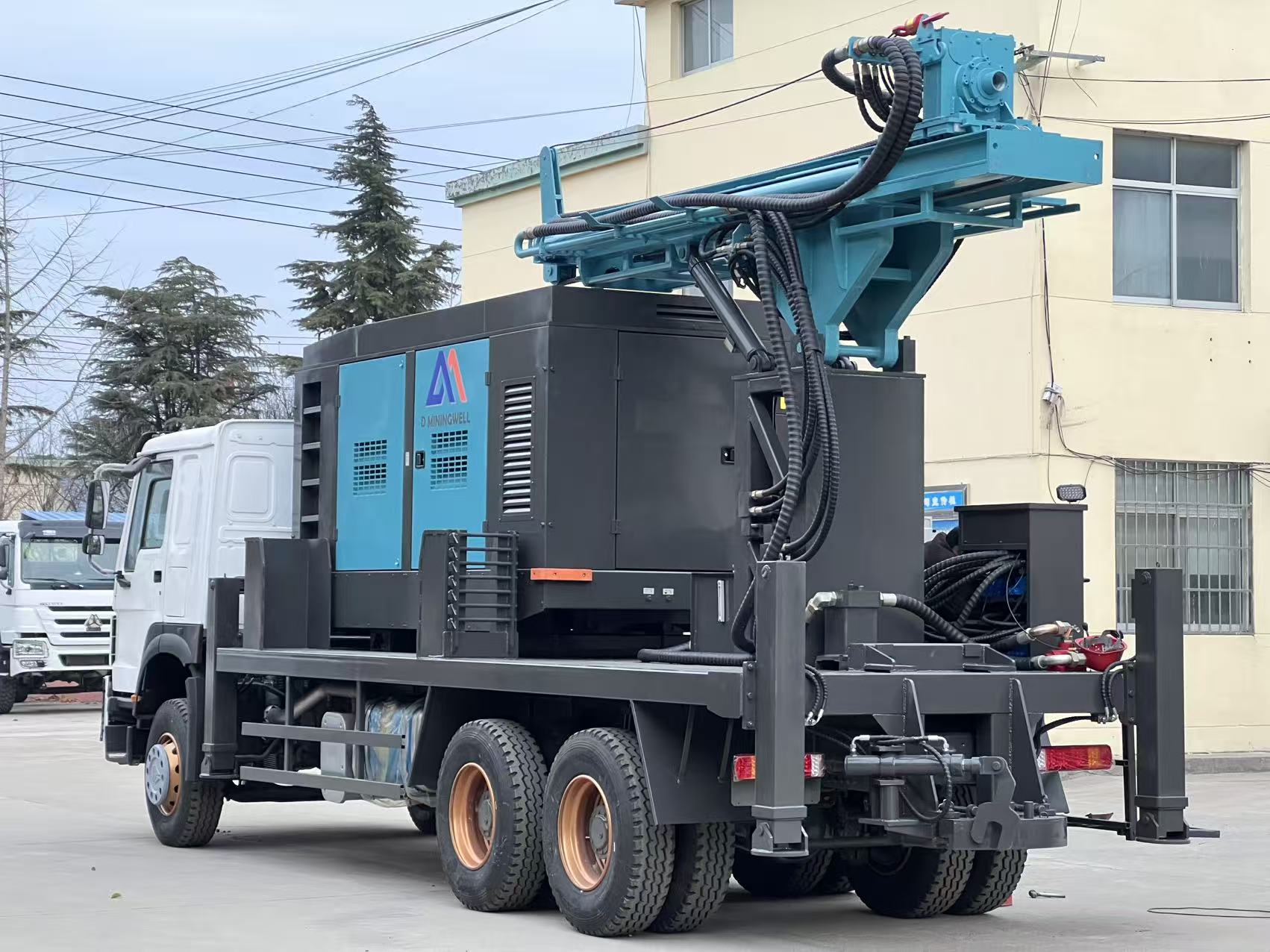
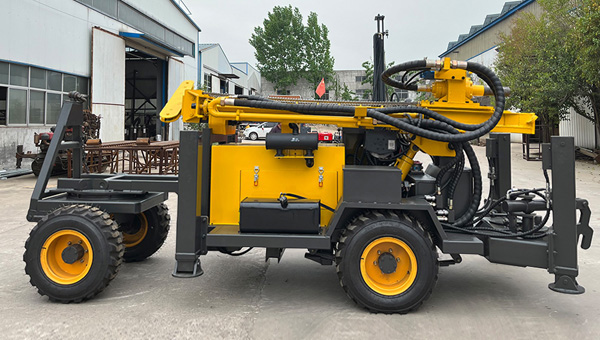
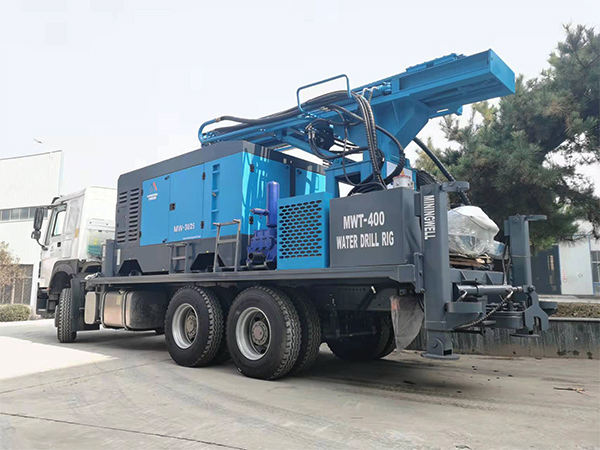
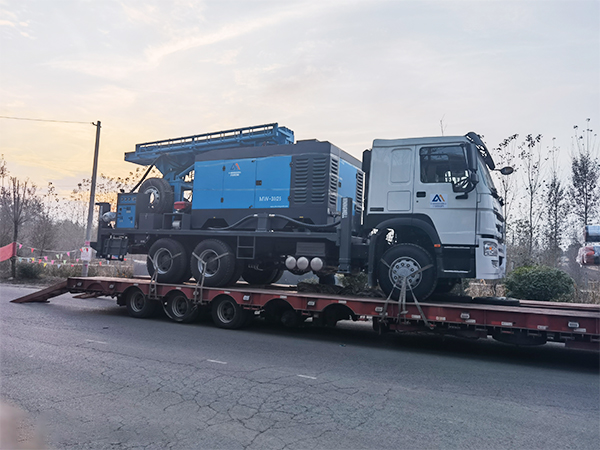
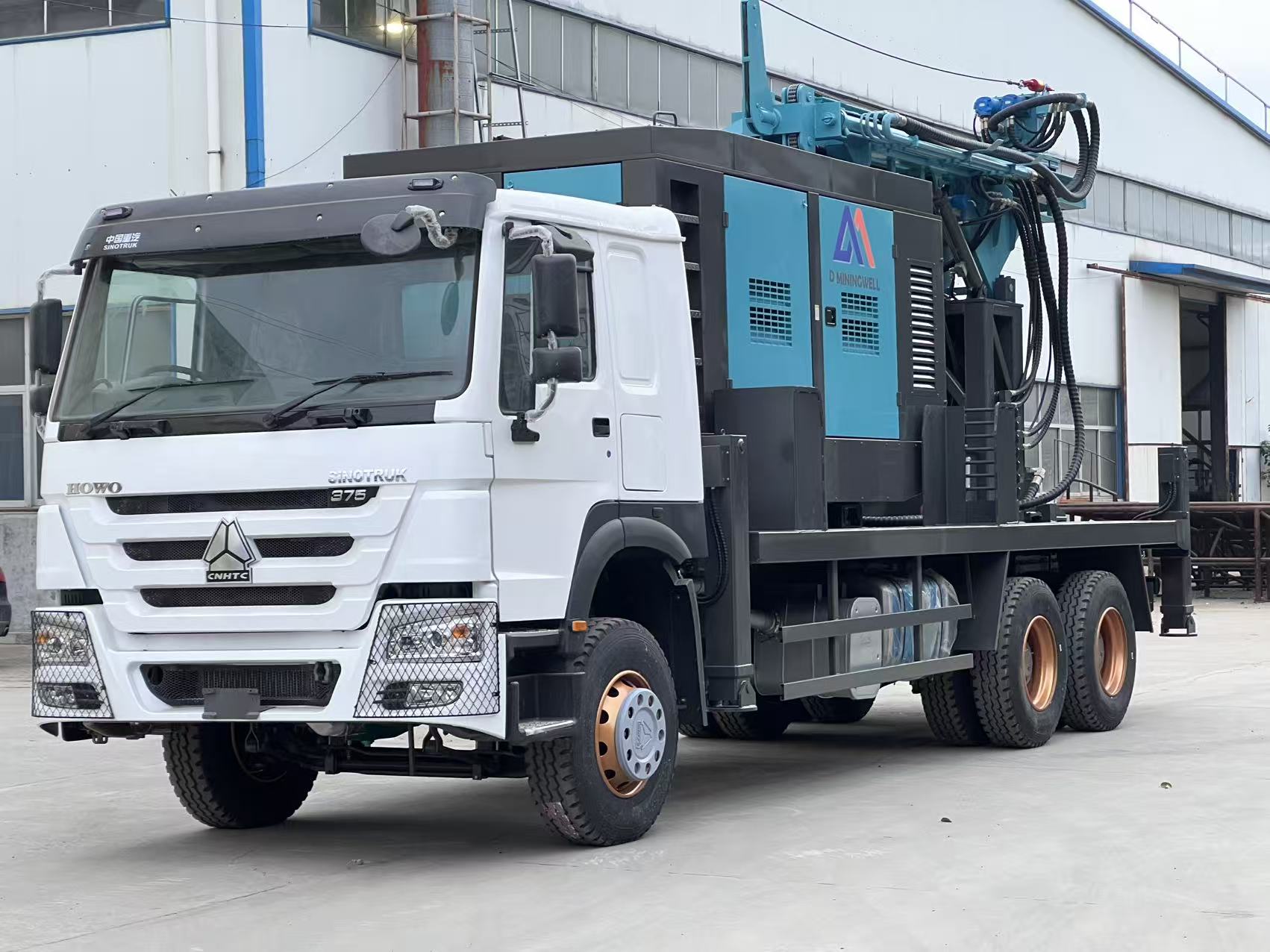
Discover the DMiningwell 400m Truck-Mounted Water Well Drilling Rig (HOWO 375 chassis): a mobile, hydraulic 400m water borehole machine ideal for mining, irrigation, and geothermal projects in 2025. Explore its features, operation steps, and on-site performance here.

Rated 4.7/5 based on 286 customer reviews
Share:
Next:
Content

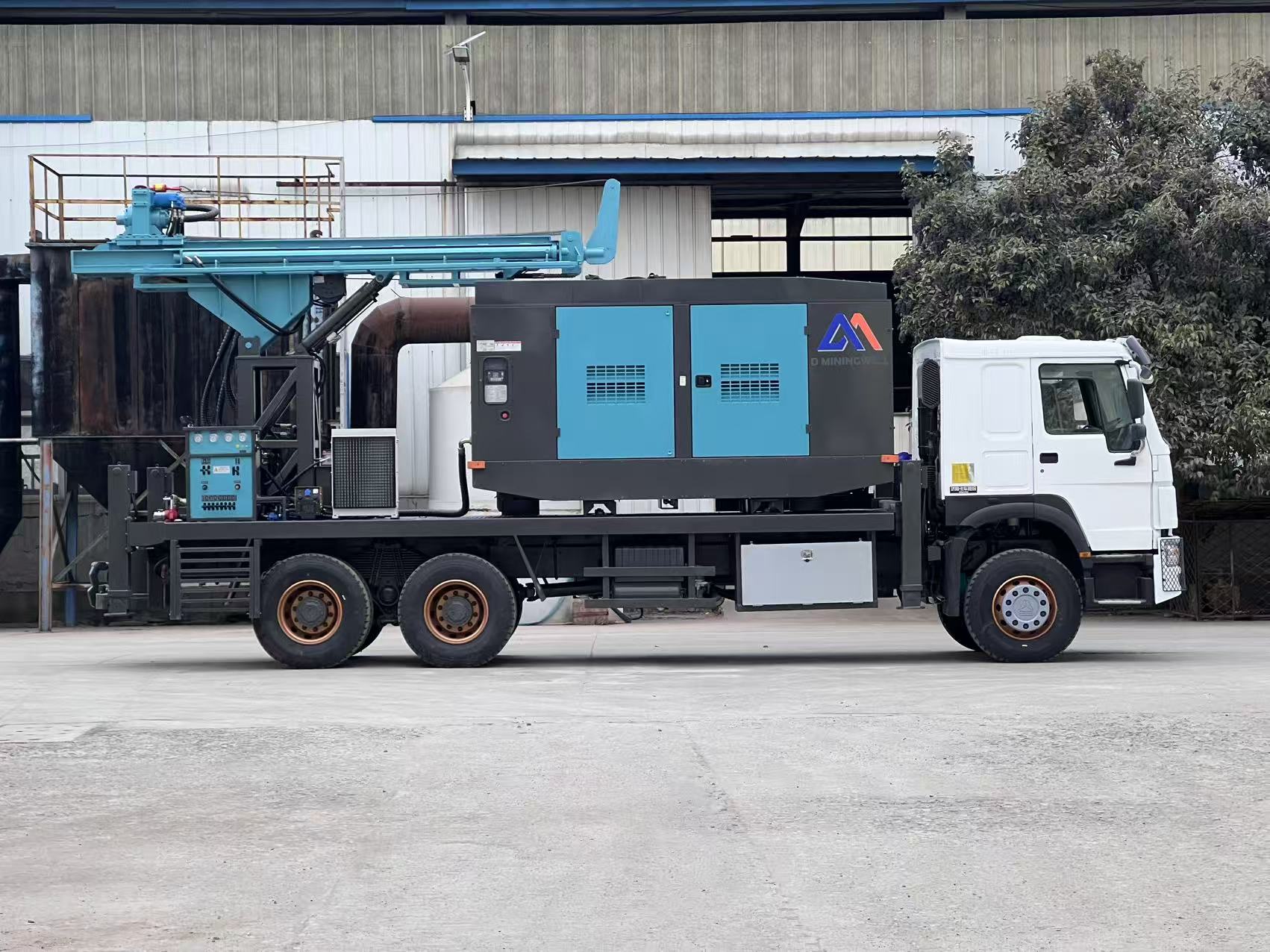
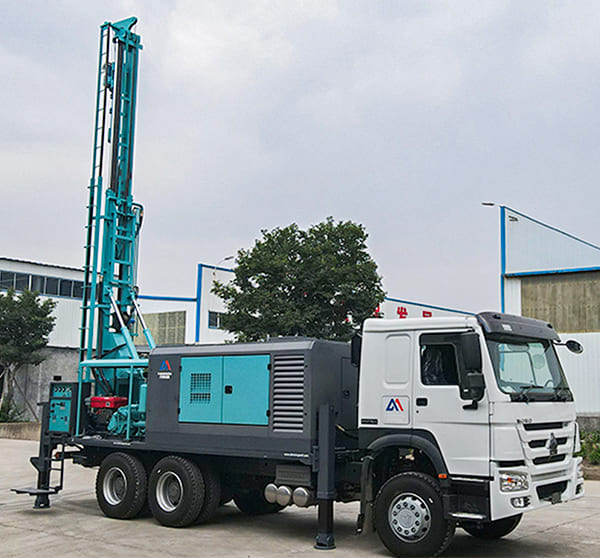
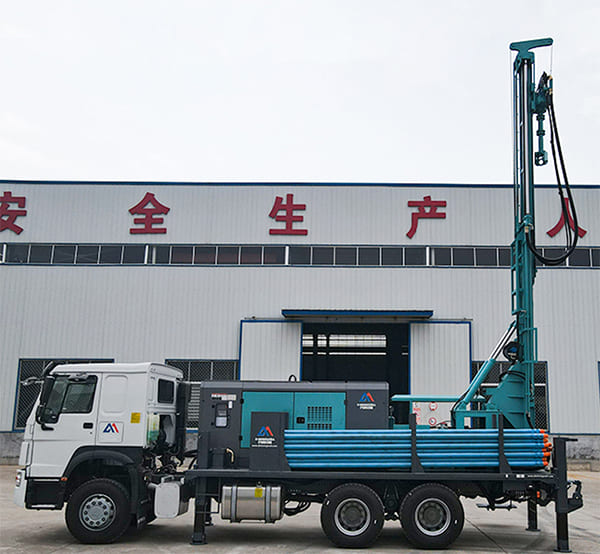
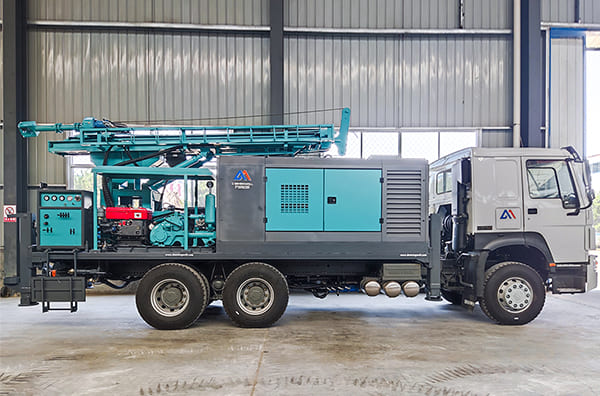
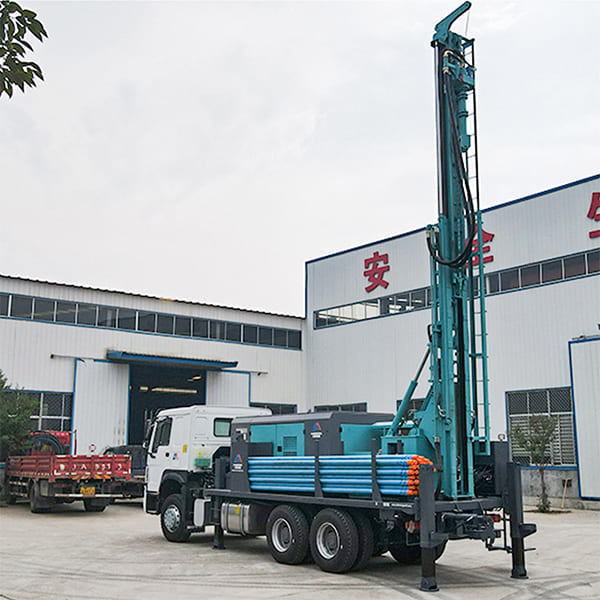
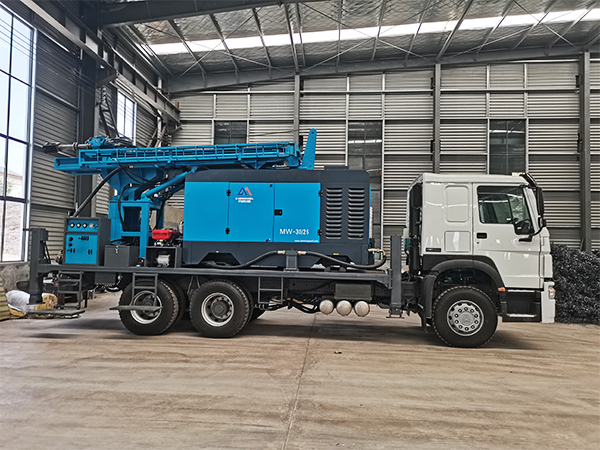
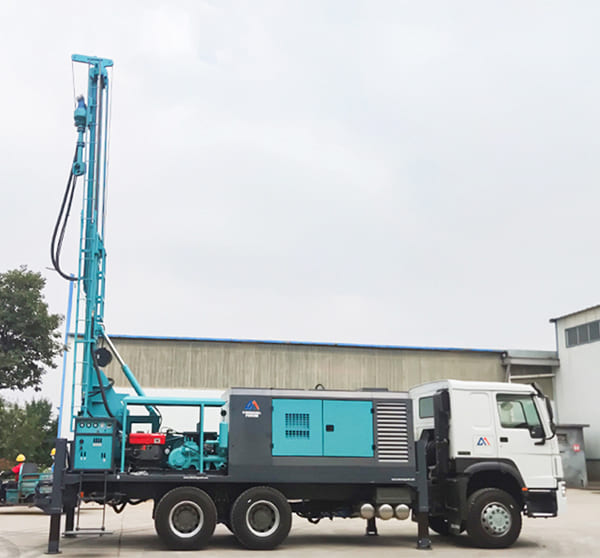
This article introduces the DMiningwell 400m Truck-Mounted Water Well Drilling Rig built on a HOWO 375 chassis, covering its core specifications, upgraded 2025 features, real-world applications, and step-by-step on-site operation process. It highlights the rig’s dual drilling capabilities, mobility advantages, and user-friendly operational design, demonstrating its suitability for remote mining, agricultural irrigation, and geothermal project sites.

2025-Upgraded Features

What sets this rig apart in 2025?
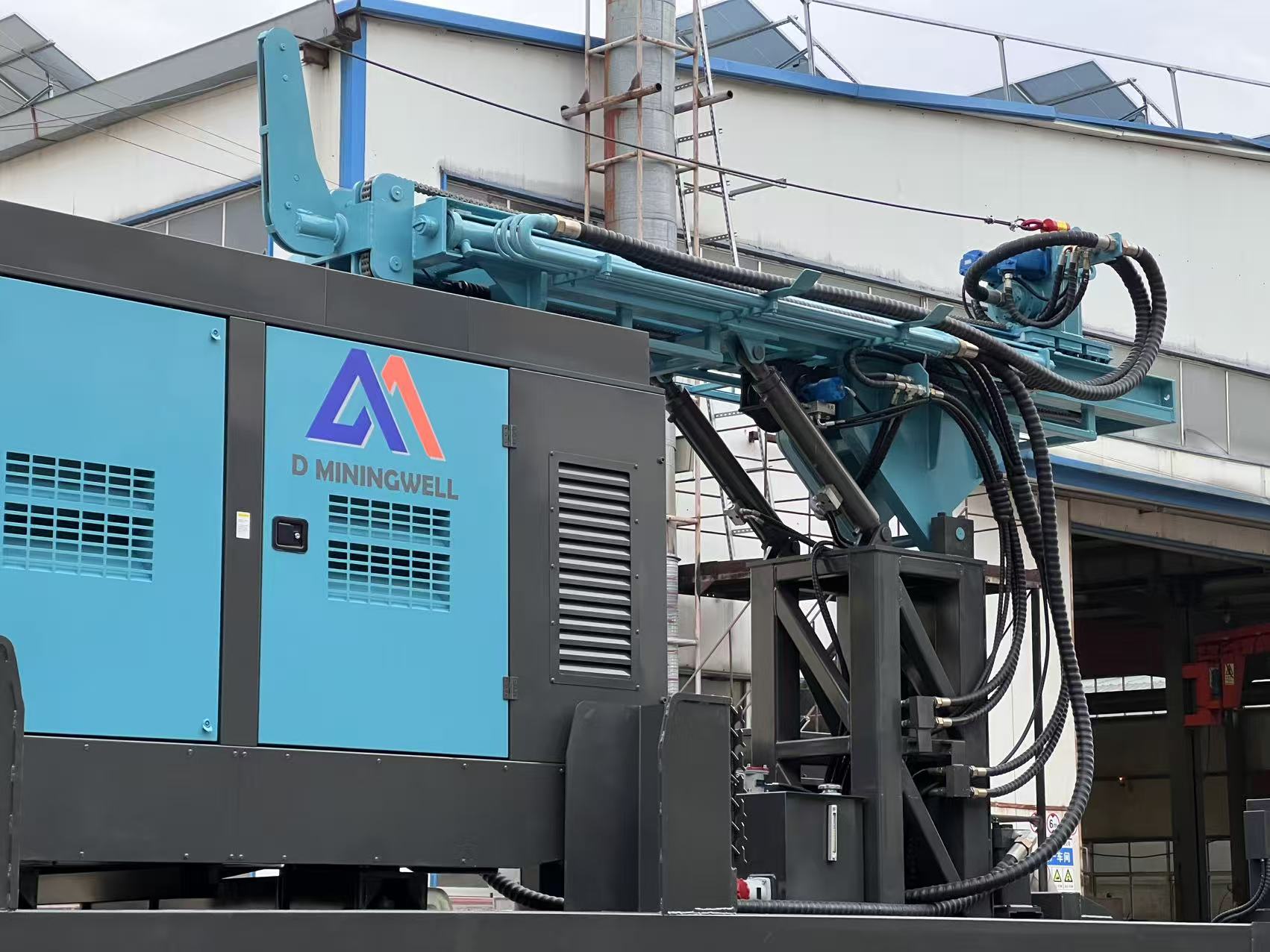
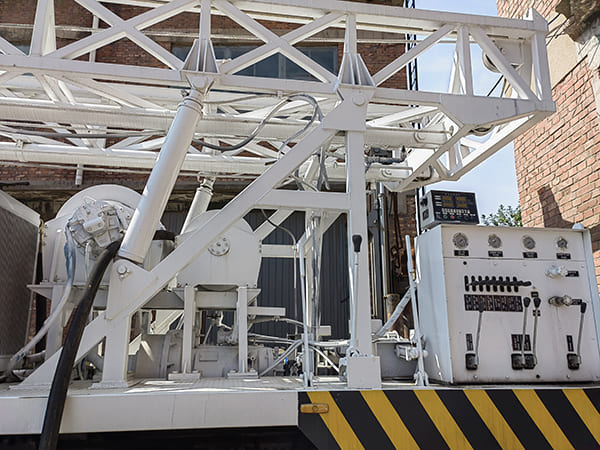
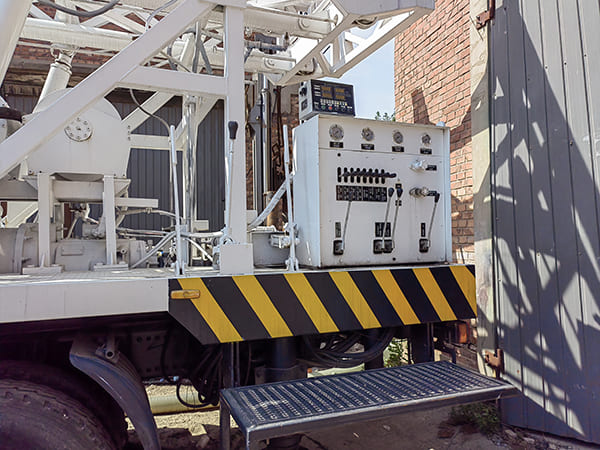
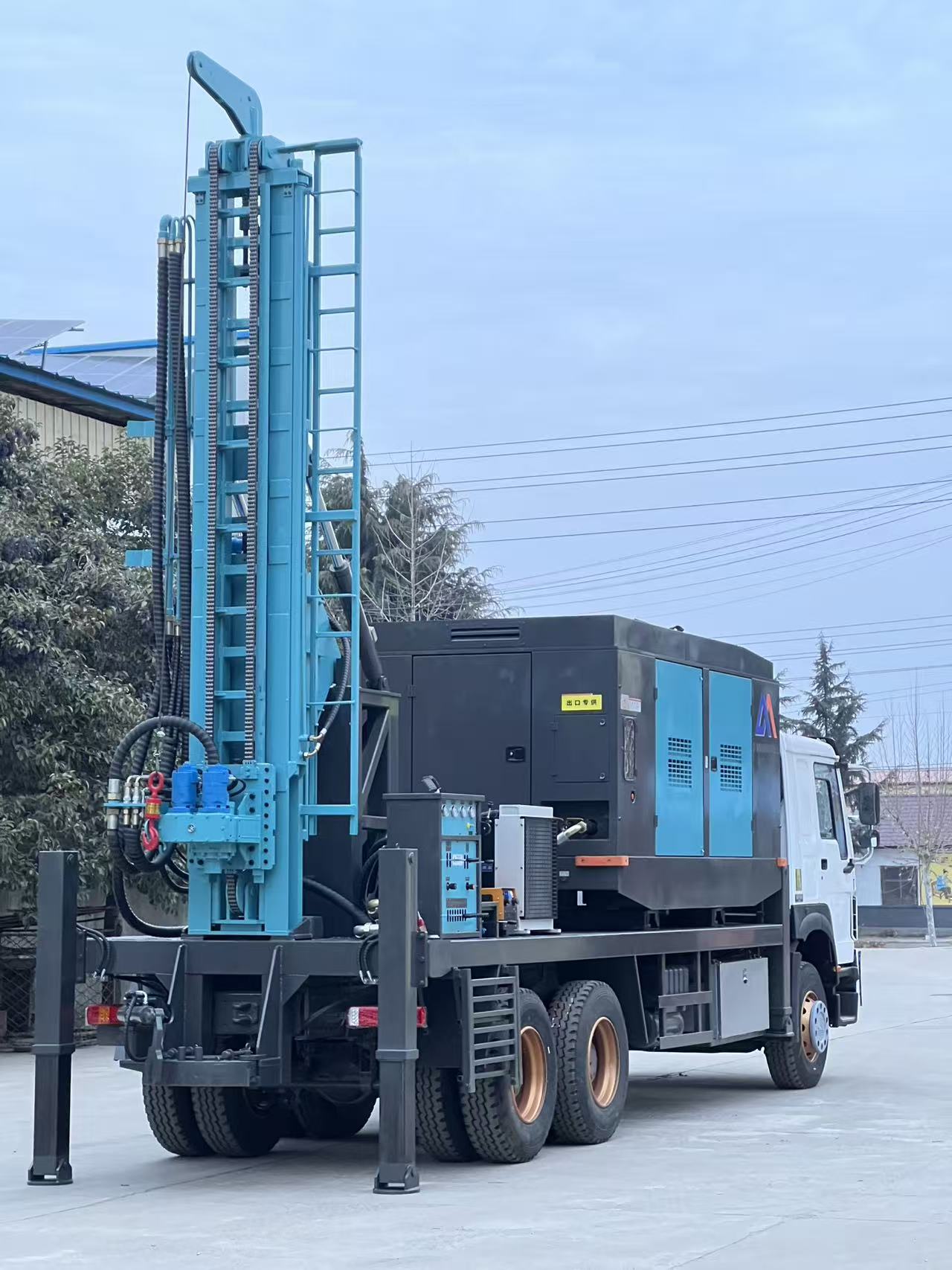
  • Centralized hydraulic controls: Cut setup time from hours to minutes, with precision over torque (7000–9500 N·m) and rotation speed (50–135 RPM).
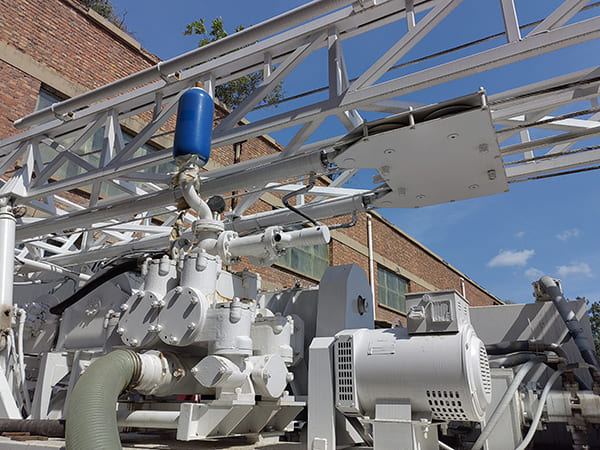
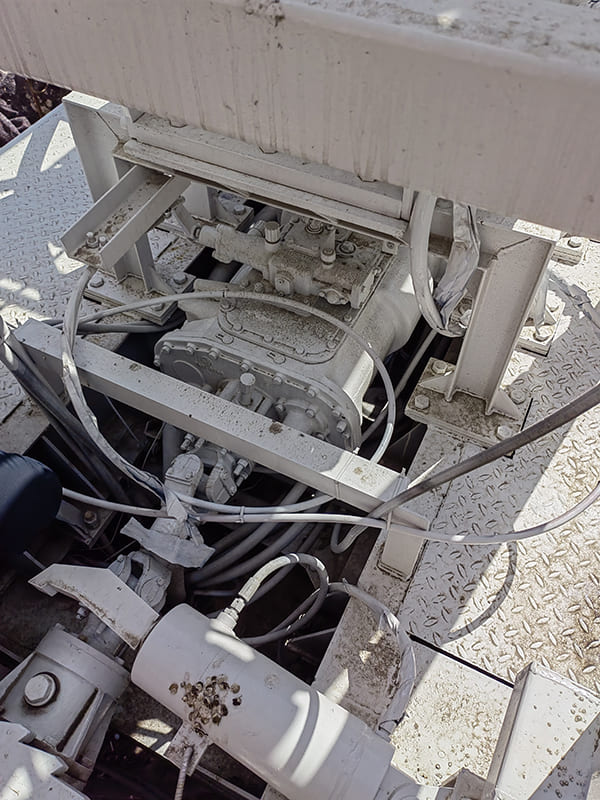
  • Modular auxiliary tools: On-board mud pumps, foam injectors, and welding machines eliminate the need for extra equipment.
  • Shared power system: The rig and truck chassis use a single Deutz 103kW engine, reducing fuel costs and maintenance.

Step-by-Step On-Site Operation Process

The DMiningwell 400m truck-mounted drilling rig is designed for streamlined operation, requiring only 2–3 trained operators to complete the drilling workflow. Here is the standard on-site operation process:
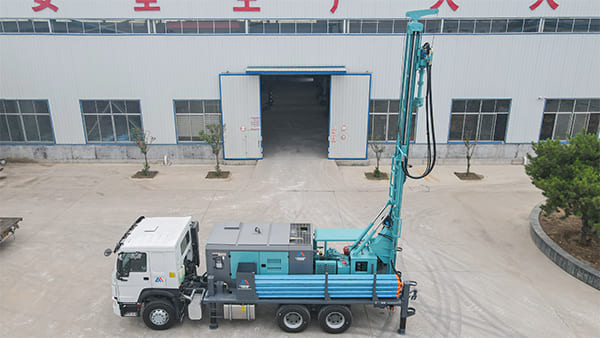
  1. Site Preparation & Positioning

    Drive the rig to the target drilling location and conduct a quick terrain assessment to ensure the ground can bear the machine’s weight. Use the chassis’ built-in leveling jacks to adjust the rig to a horizontal state—this prevents drilling deviation during operation. Then, mark the exact drilling point and clear the surrounding area of debris or obstacles.

  2. Rig Deployment

    Activate the centralized hydraulic control panel to lift the drill tower vertically and lock it in place with the safety pins. Install the drill bit matching the required hole diameter (rock bits for hard strata, alloy bits for loose soil) and connect the drill pipes section by section. For mud drilling mode, turn on the on-board mud pump and ensure the mud circulation system is unobstructed; for air drilling mode, start the high-pressure air compressor and adjust the pressure according to the stratum condition.

  3. Drilling Operation

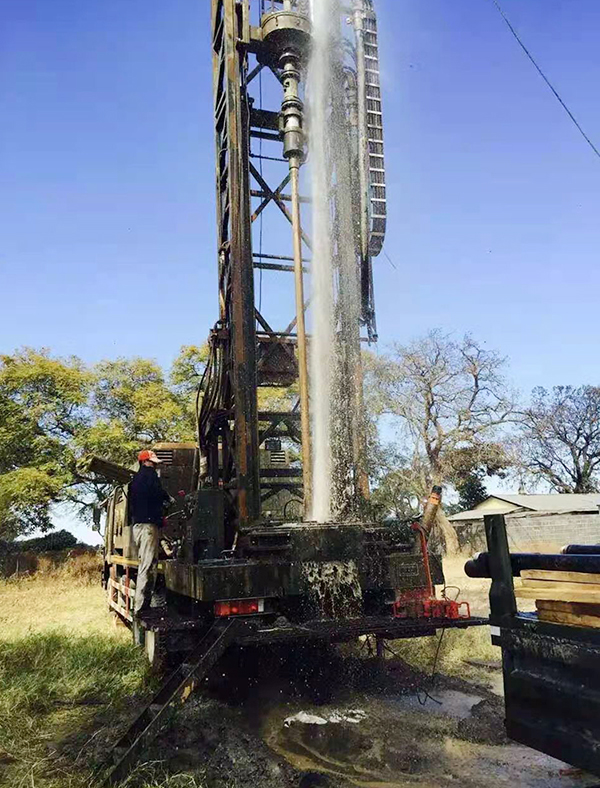
    Start the main engine and set the rotary speed and torque parameters via the control panel based on the stratum type detected in advance. Initiate the drilling process: the rotary head drives the drill pipe and bit to rotate, while the feeding system pushes the drill string downward steadily. During drilling, operators need to monitor the real-time data on the control panel (including drilling depth, torque value, and mud/air pressure) to adjust parameters in time—this avoids drill pipe jamming.

  4. Drill Pipe Extension & Slag Removal

    When the current drill pipe reaches its maximum drilling length, pause the drilling process and use the hydraulic lifting system to pull the drill string up slightly. Connect a new section of drill pipe to the existing string, then resume drilling. In mud mode, the circulating mud carries the cuttings out of the borehole; in air mode, high-pressure air blows the cuttings to the surface. Regularly clear the collected cuttings to keep the work area tidy.

  5. Completion & Rig Recovery

    Once the drilling reaches the target depth (400m maximum), stop the rotation and feeding system. Gradually pull out the drill pipes section by section and store them in the on-board pipe rack. Flush the borehole with clean water or air to remove residual cuttings. Finally, fold the drill tower, retract the leveling jacks, and clean the rig’s components—this prepares the machine for transportation to the next job site.

Real-World Applications

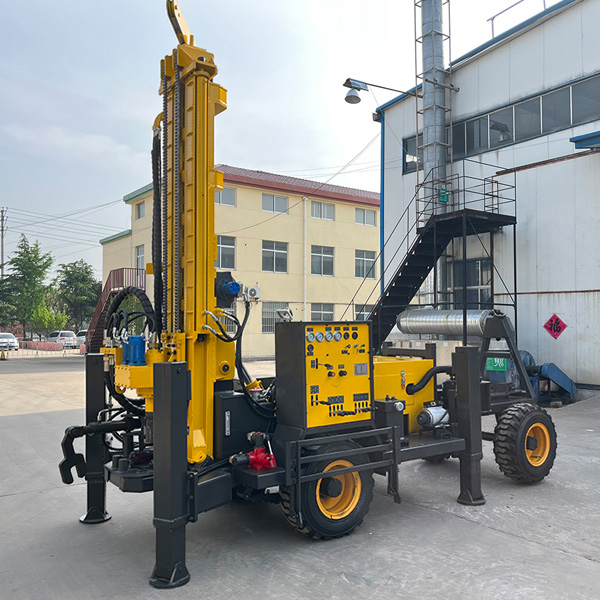
From mining exploration boreholes to agricultural irrigation wells and geothermal energy projects, this rig adapts to diverse needs. Its 25-ton lifting force handles deep drilling in rock or loose soil, while the enclosed power unit protects components from dust—perfect for mine sites.
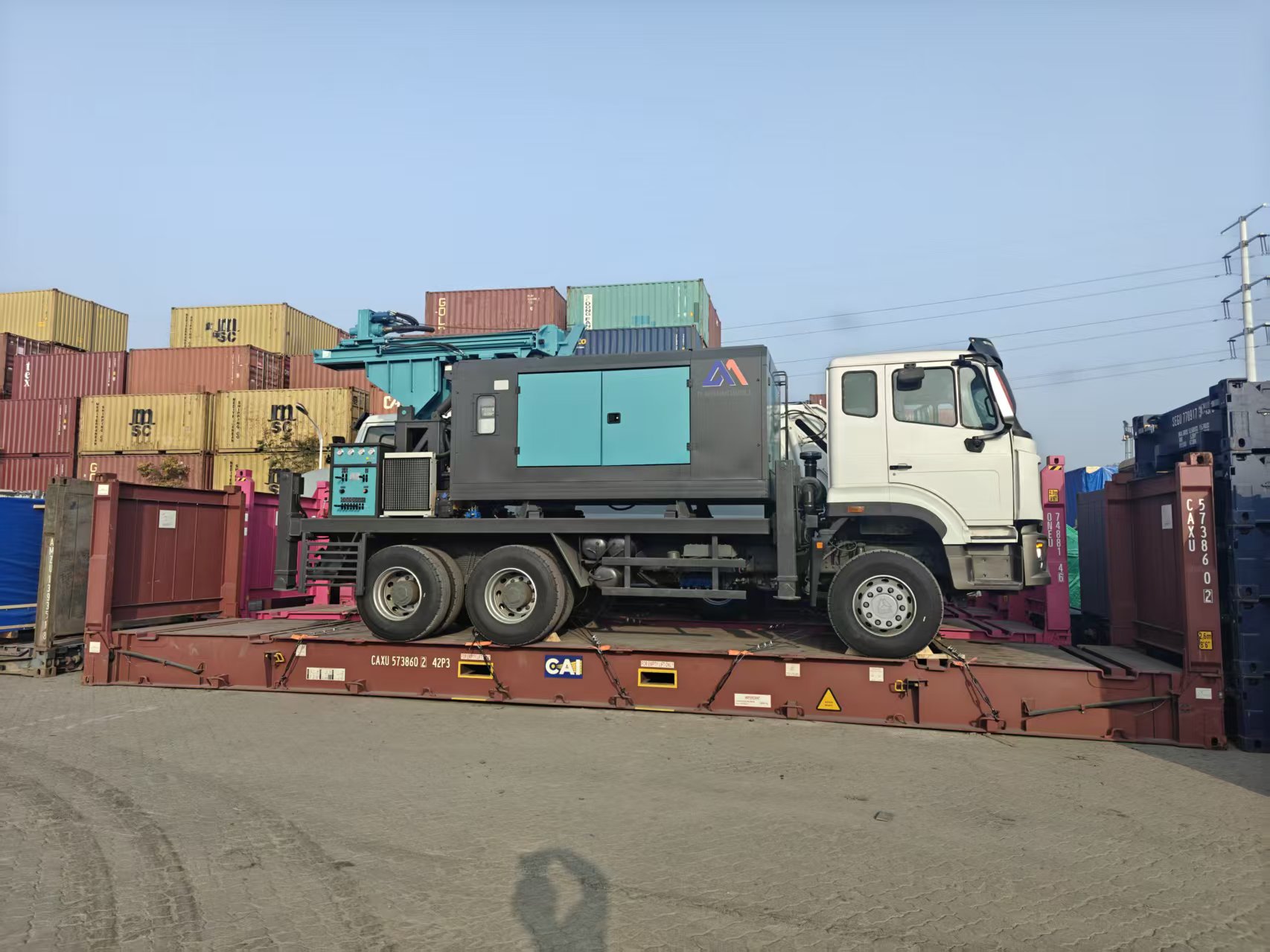
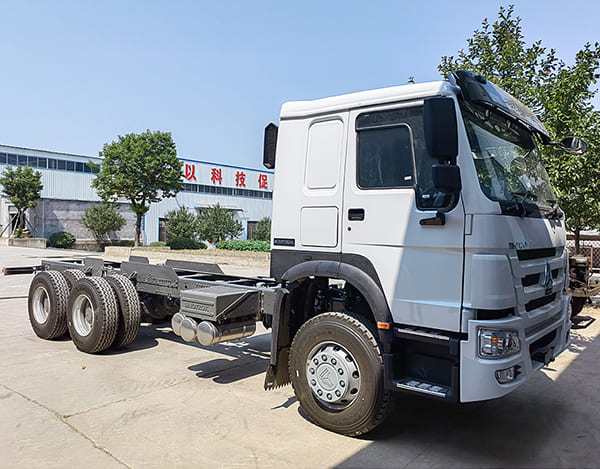
For teams that need to move between job sites quickly, the truck-mounted design (transport dimensions: ~12500×2500×4000mm) ensures mobility without sacrificing power.
Inquiry


    More Truck mounted water well drilling rig